• There are no suggestions because the search field is empty.

Model UN Conference

Welcome from the Secretary General

ModelUNLogo

Welcome Delegates,

You are  invited to BC High Model United Nations Conference XXXIV, Saturday, March 7, 2026, from 9:00 AM to 4:00 PM , 150 Morrissey Boulevard, Dorchester, MA. Our conference brings together high school and middle school students from across Massachusetts and New England. This year we expect to welcome 500 delegates. 

Our club is student led and our goal is to make BC High Model UN Conference XXXIV enjoyable and memorable. We want our delegates to finish their day with newfound knowledge, an understanding of how the international organizations function, and to have fun.

This year our committees simulate UN committees, American political committees, the regulation of Artificial Intelligence, imaginary committees such as Fortnite, serious committees such as the UNESCO Brain Drain, and the consideration of one the world’s most valuable commodities: clean potable water.

Participants will engage in discussions with other students who may different agendas and beliefs.  They will develop their skills to negotiate, debate, and resolve issues.

We eagerly await your presence and participation in BCHMUNC XXXIV.

With warm regards from the entire BC High Model UN Secretariat,

KinJia Wong ’26
Secretary-General
Boston College High School Model United Nation

2026 Conference Agenda

8 – 8:50 a.m.

  • Continental Breakfast: Hajjar Dining Hall

9 – 10:00 a.m.

  • Opening Ceremony in Cadigan Gym
  • Overview of the Committee Topics
  • Welcome Address
    KinJia Wong ’26 37th Secretary General BC High Model UN
  • Welcome from the School
  • Keynote Speaker Interview
    Dr. Karen Ross PhD, University of Massachusetts at Boston
  • Delegate Reminders
  • Introduction of the Committee Chair & Committee Dismissal

10:00 a.m. – 12:10 p.m.

  • Morning Committee Sessions

12:10 – 1:00 p.m.

  • Lunch in the Student Cafeteria
    (Committees will be released for lunch in a staggered manner.)

1 – 3:30 p.m.

  • Afternoon Committee Session

3:40 – 4:00 p.m.

  • Closing Ceremonies in Cadigan Gym
  • A Reflection About Model United Nations

BC High Model UN is excited and delighted to welcome Dr. Karen Ross PhD to BC High MUN XXXIV. 

Dr. Ross is an associate professor in the Department of Conflict Resolution, Human Security, and Global Governance and a senior fellow at the Center for Peace, Democracy, and Development, both at the McCormack Graduate School of Policy and Global Studies at the University of Massachusetts Boston. Previously, she was an instructor at the Global & International Education Program at Drexel University and the Inquiry Methodology Program at Indiana University. 

Dr. Ross' expertise is in peace education, dialogue, research methodology, grassroots peace-building, social movements, nonviolent action, Israel-Palestine. 

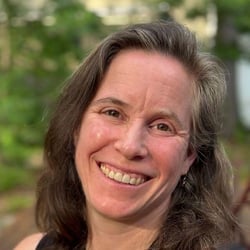
Dr. Karen Ross

Contact & Date Information

(Committee preferences/assignment questions)

Secretary General
KinJia Wong '26,
kj.wong26@students.bchigh.edu

Deputy Secretary General       
Patrick Reed '27,
ps.reed27@students.bchigh.edu

Under Secretary General
KinYuan Wong ’26, 
ky.wong26@students.bchigh.edu

Conference President
Junior Martins '27,
js.martins27@students.bchigh.edu

Director of Finances
Miguel Alamo-Gotera ’27,
m.alamogotera27@students.bchigh.edu

Deputy Director of Finances
Hadriel Buabua ’26,
h.buabua26@students.bchigh.edu

Moderator
Dr. Nicholas Argento, Social Studies Department
argento@bchigh.edu

December 16, 2025
Registration will open.

December 28, 2025
Background Guides are posted

January 15, 2026
Registration and $100 deposit, checks made payable to BC High. Tell us your
committee and country preferences as well as the number delegates that you anticipate attending. It is better to underestimate than overestimate your delegate totals. 

Contact Secretary General KinJia Wong '26 general questions:
kj.wong26@students.bchigh.edu

Deputy Secretary General:          
Patrick Reed '27,
ps.reed27@students.bchigh.edu

Under Secretary General:
KinYuan Wong ’26, 
ky.wong26@students.bchigh.edu

Conference President
Junior Martins '27,
js.martins27@students.bchigh.edu

Charge D'Affaires
Bruno Andrews Mundo '27,
ba.andrewsmundo27@students.bchigh.edu

Parliamentarian
Talin Patel '27,
ts.patel27@students.bchigh.edu

Director of Finances
Miguel Alamo-Gotera '27,
m.alamogotera27@students.bchigh.edu

Deputy Director of Finance
Hadriel Buabua '26,
h.buabua26@students.bchigh.edu

January 31, 2026

  • Delegates totals are fixed on this day. After this date, schools are financially responsible for the reserved delegate total. Final payments are due. Background guides and country assignments posted.

February 7, 2026

  • Latest date to send moderators committee assignments. Sent by Conference Chair Junior Martins ’27, js.martins27@students.bchigh.edu, and Charge D'Affaires Bruno Andrews Mundo '27, ba.andrewsmundo27@students.bchigh.edu
  • Final payment is due to BC High. Payments can be made electronically or via traditional check. We also accept eCheck payments. 
  • Make all checks payable to:
    BC High 150 Morrissey Blvd. Boston, MA 02125
    Attn: Dr. Nick Argento Model UN Moderator

March 7, 2026

  • BCHMUM XXXIV – Continental Breakfast served at 8:00 a.m. – Opening Ceremonies at 9:00 a.m.
Model UN Conference

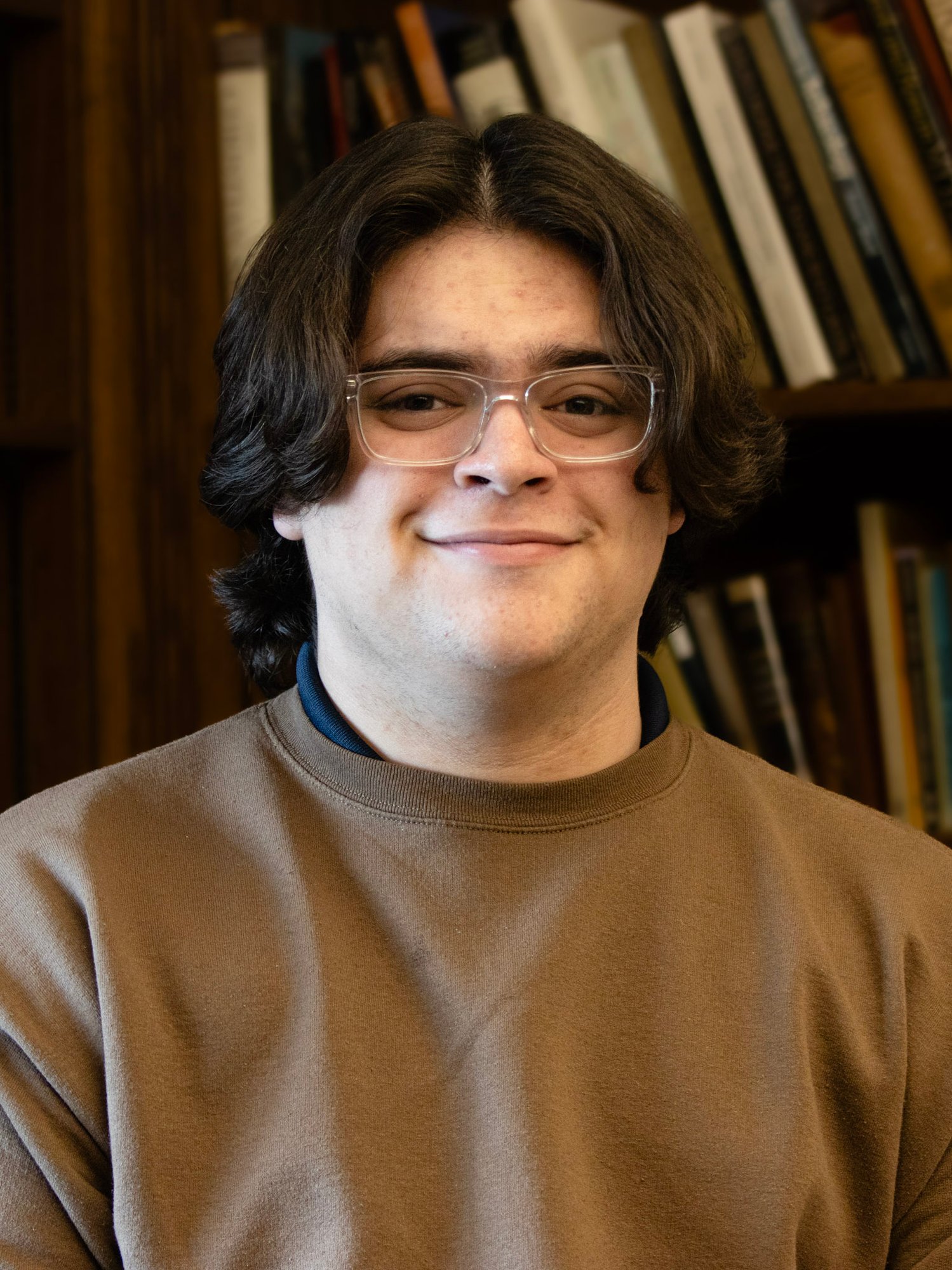
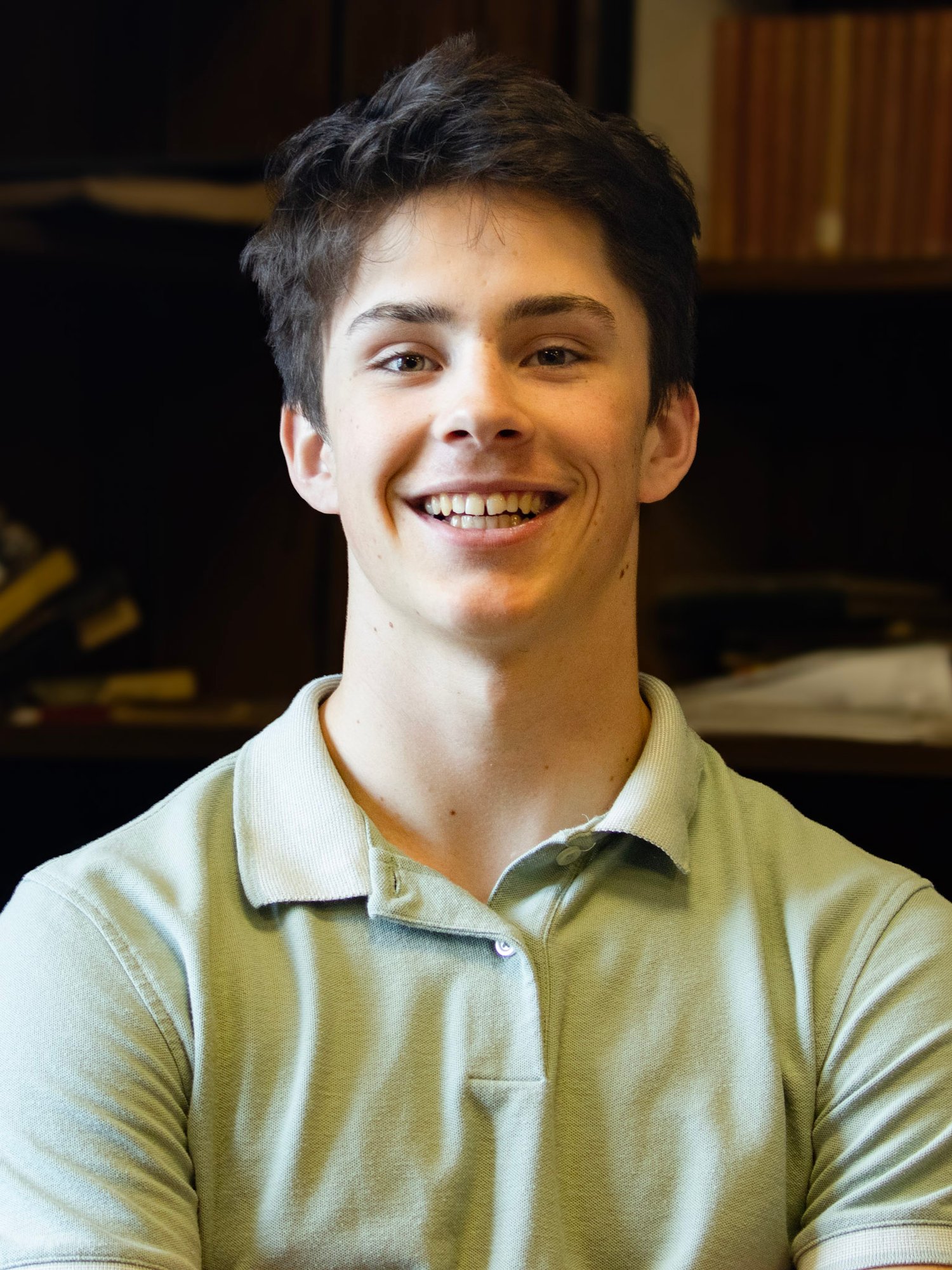
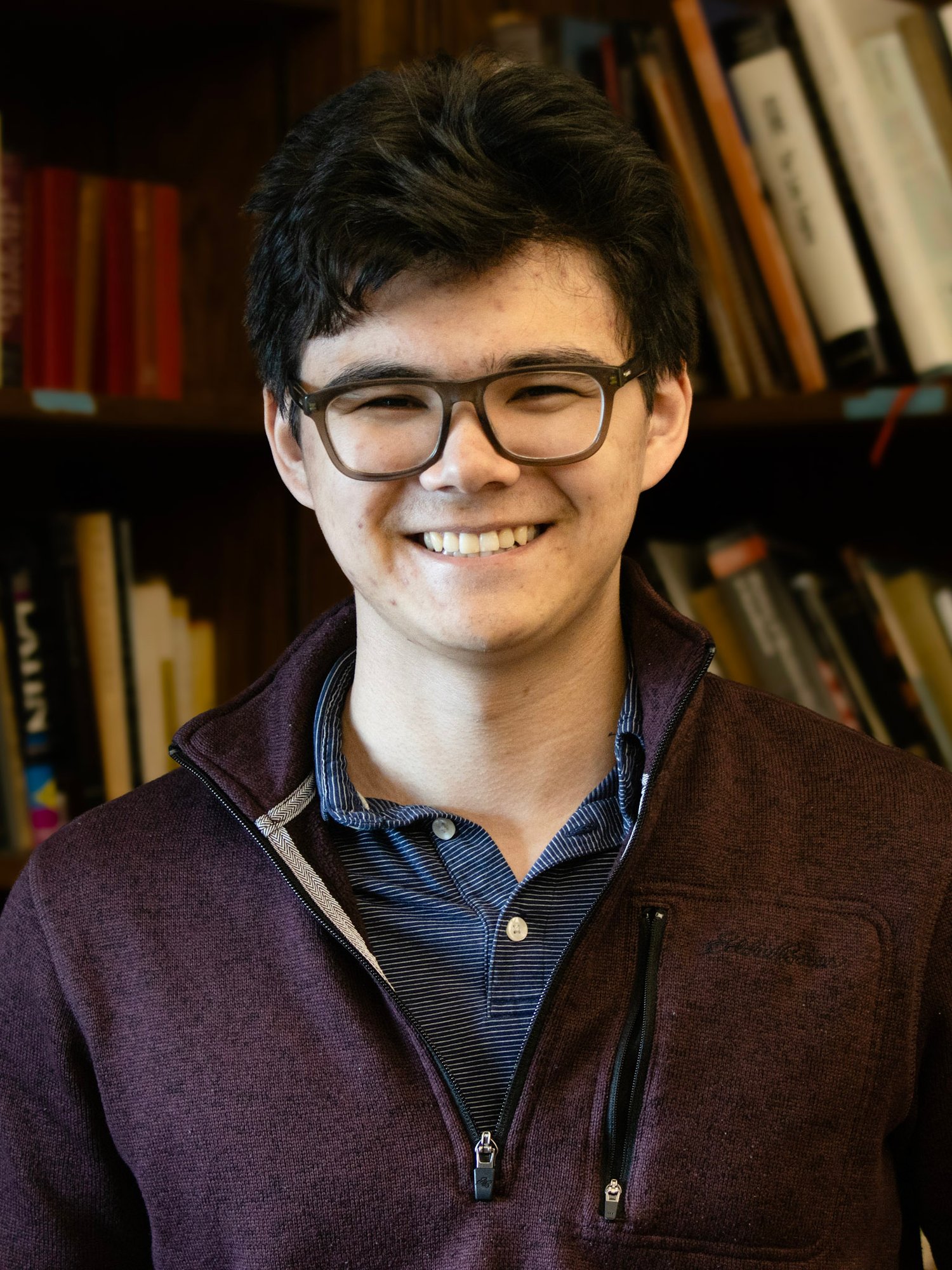
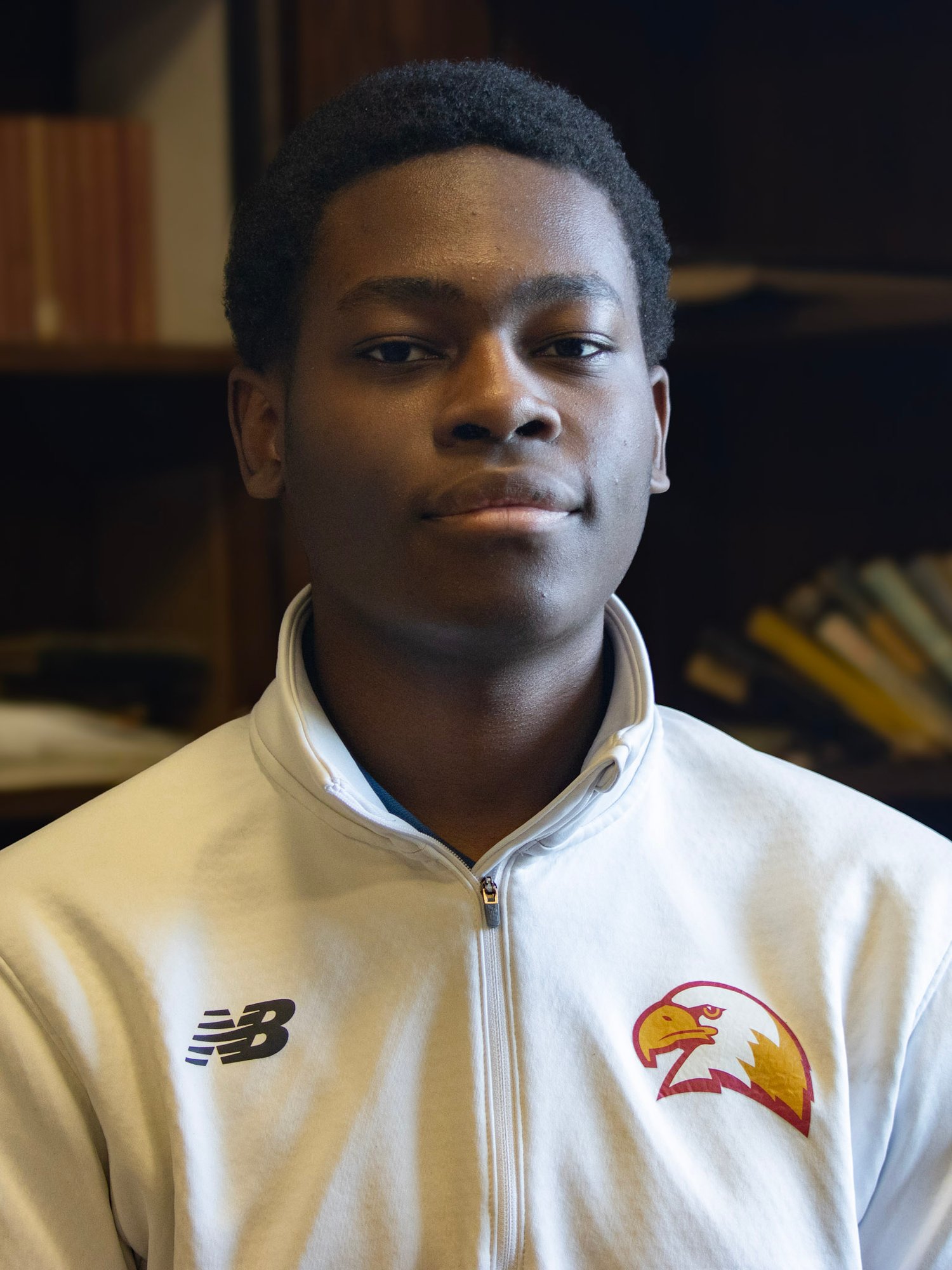
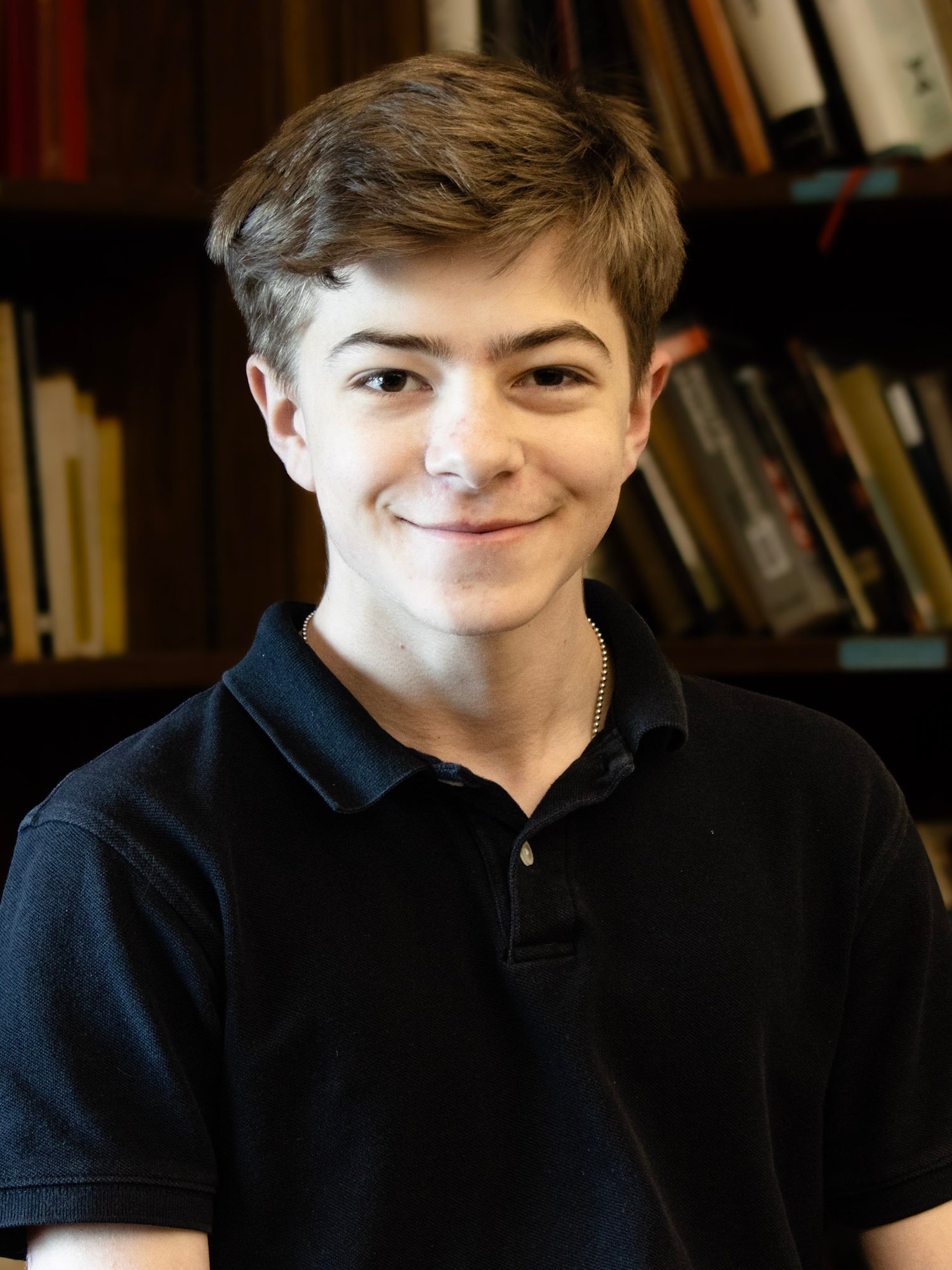
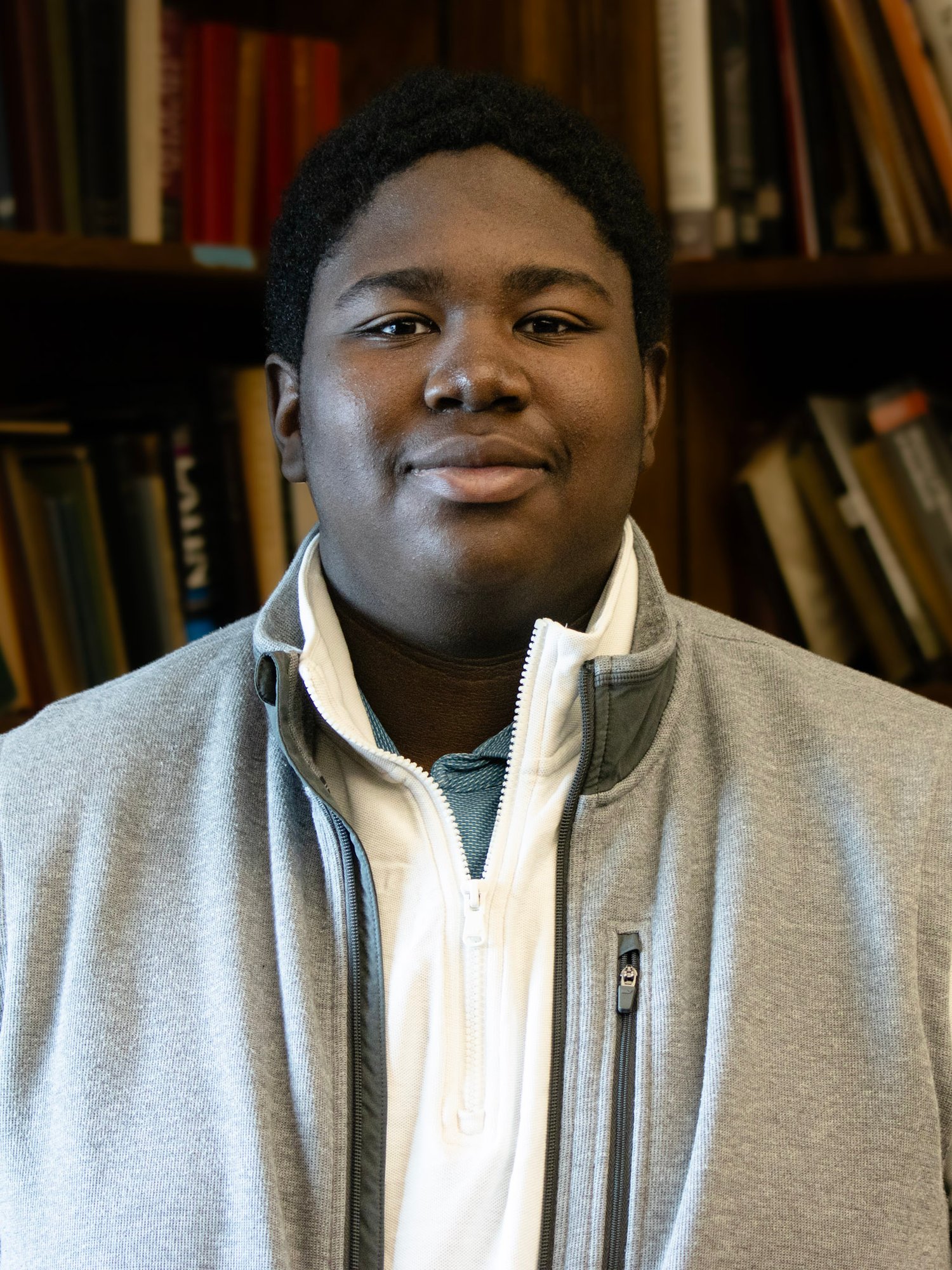
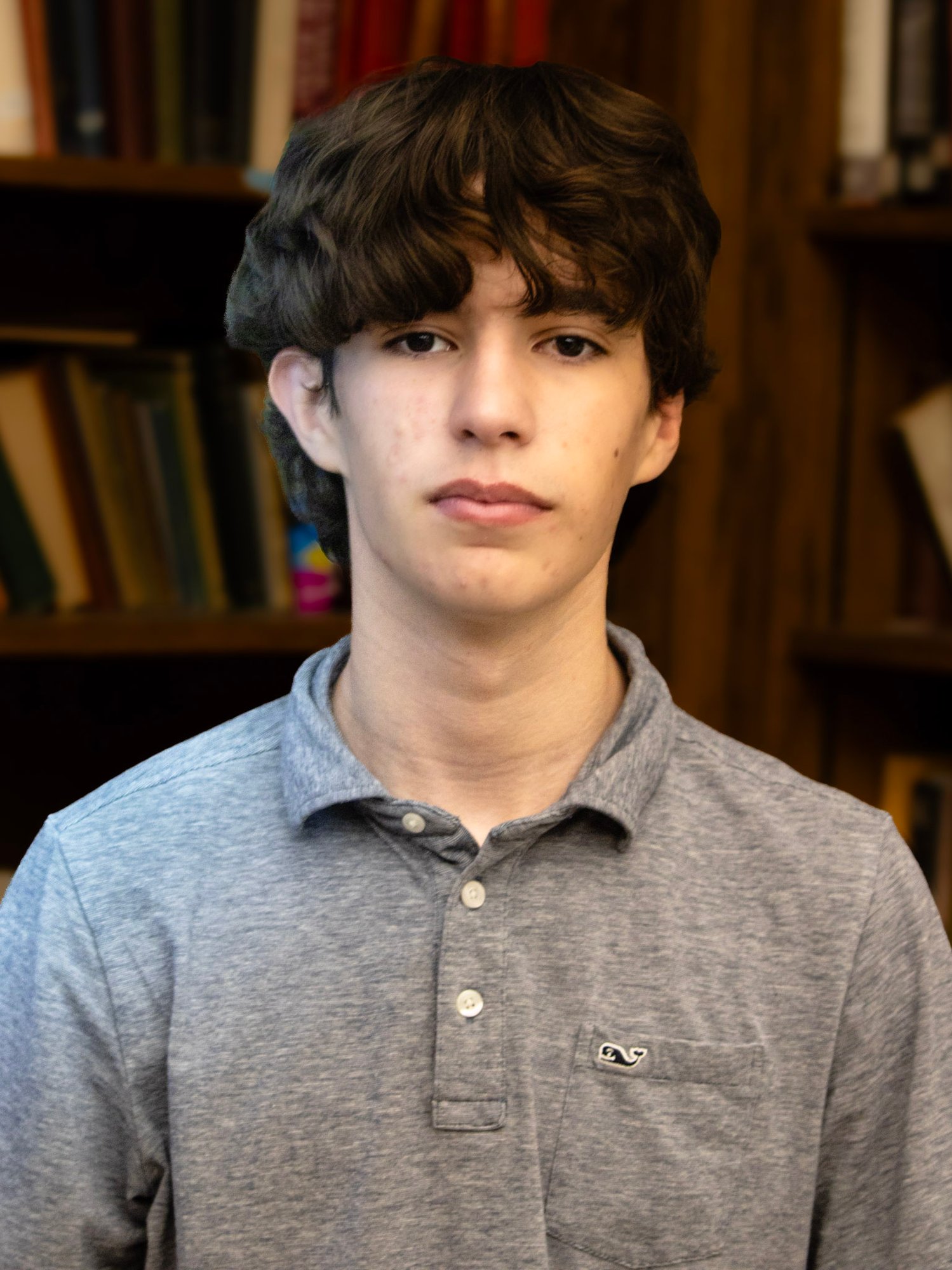
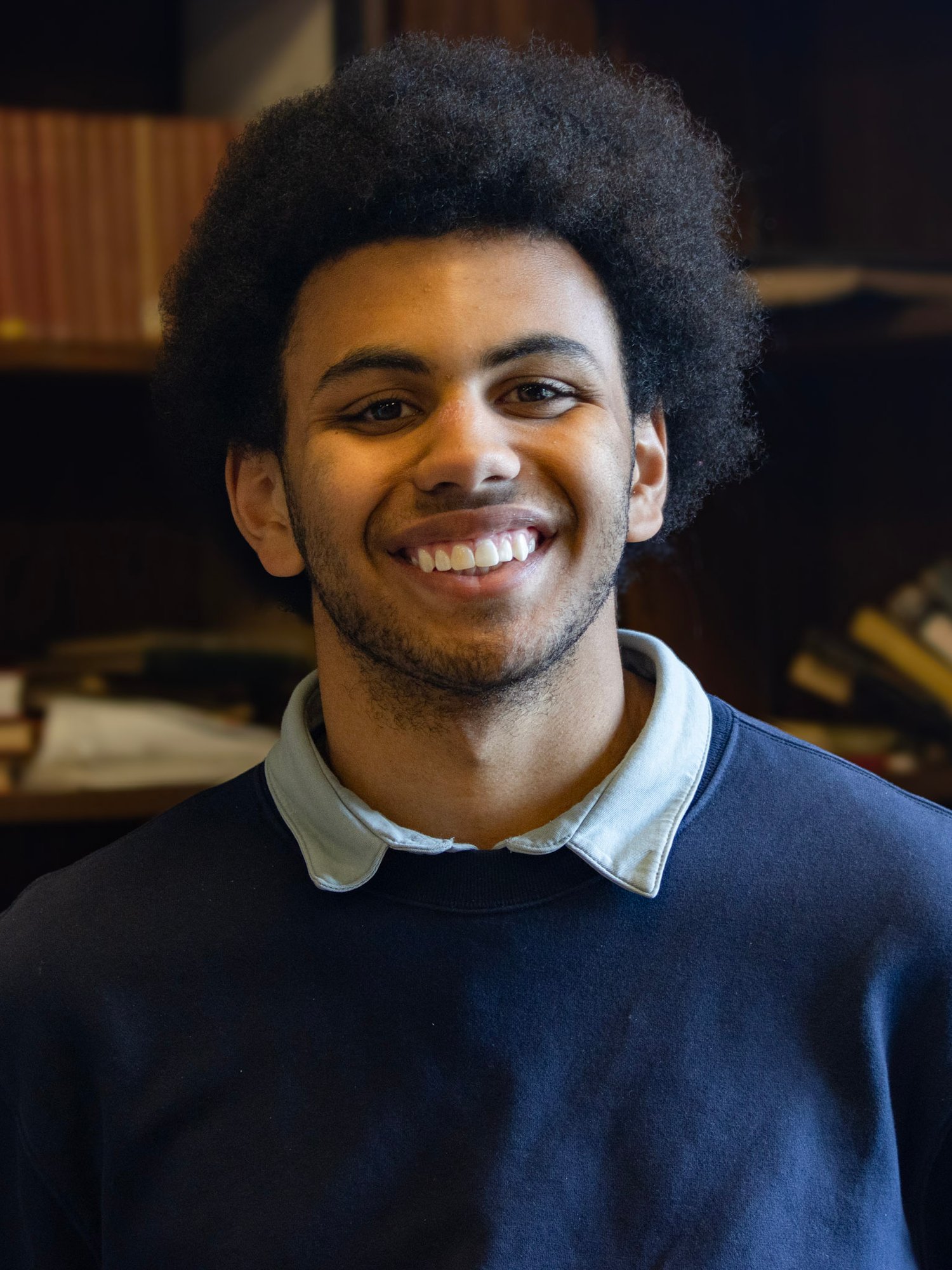
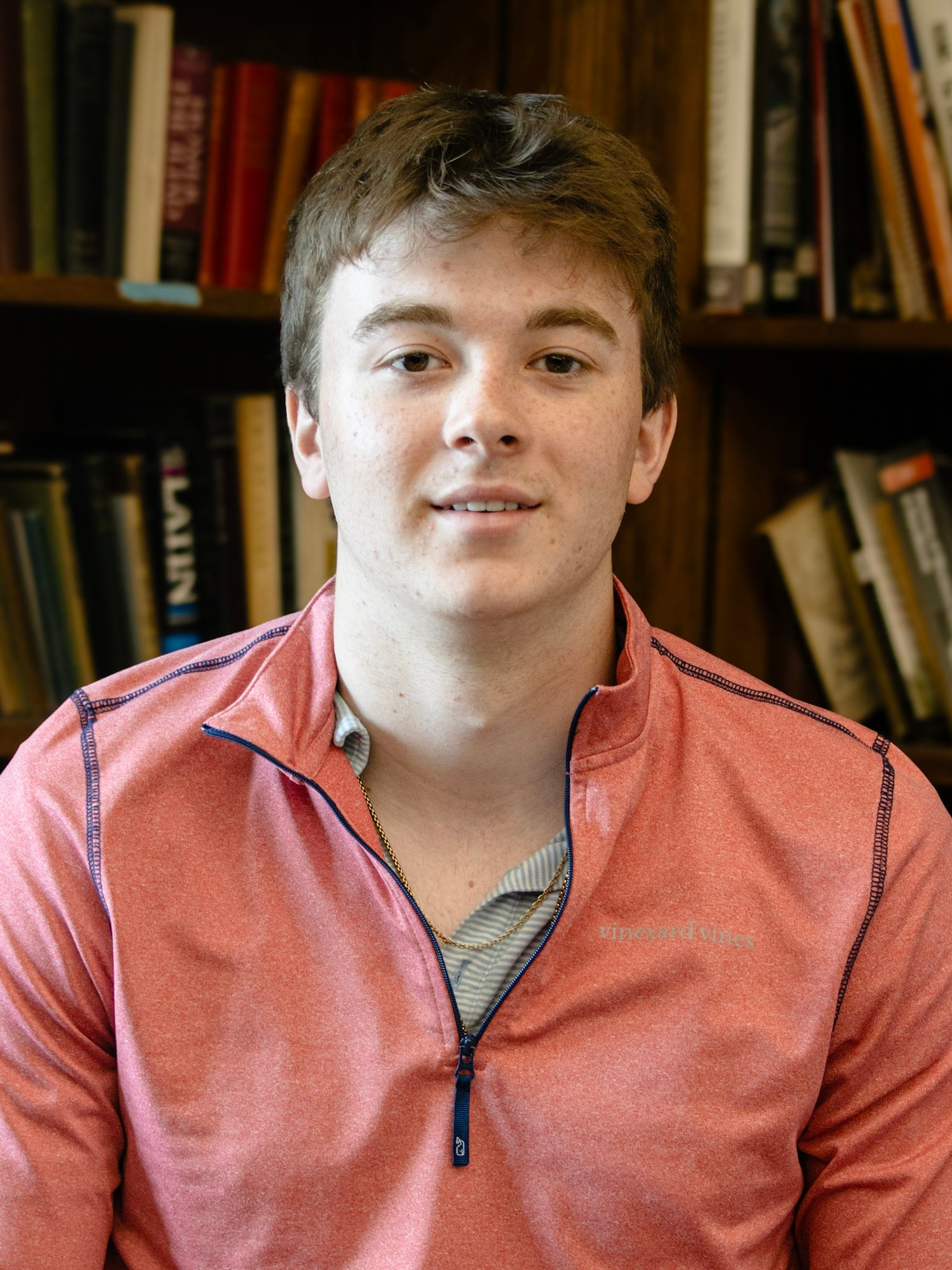
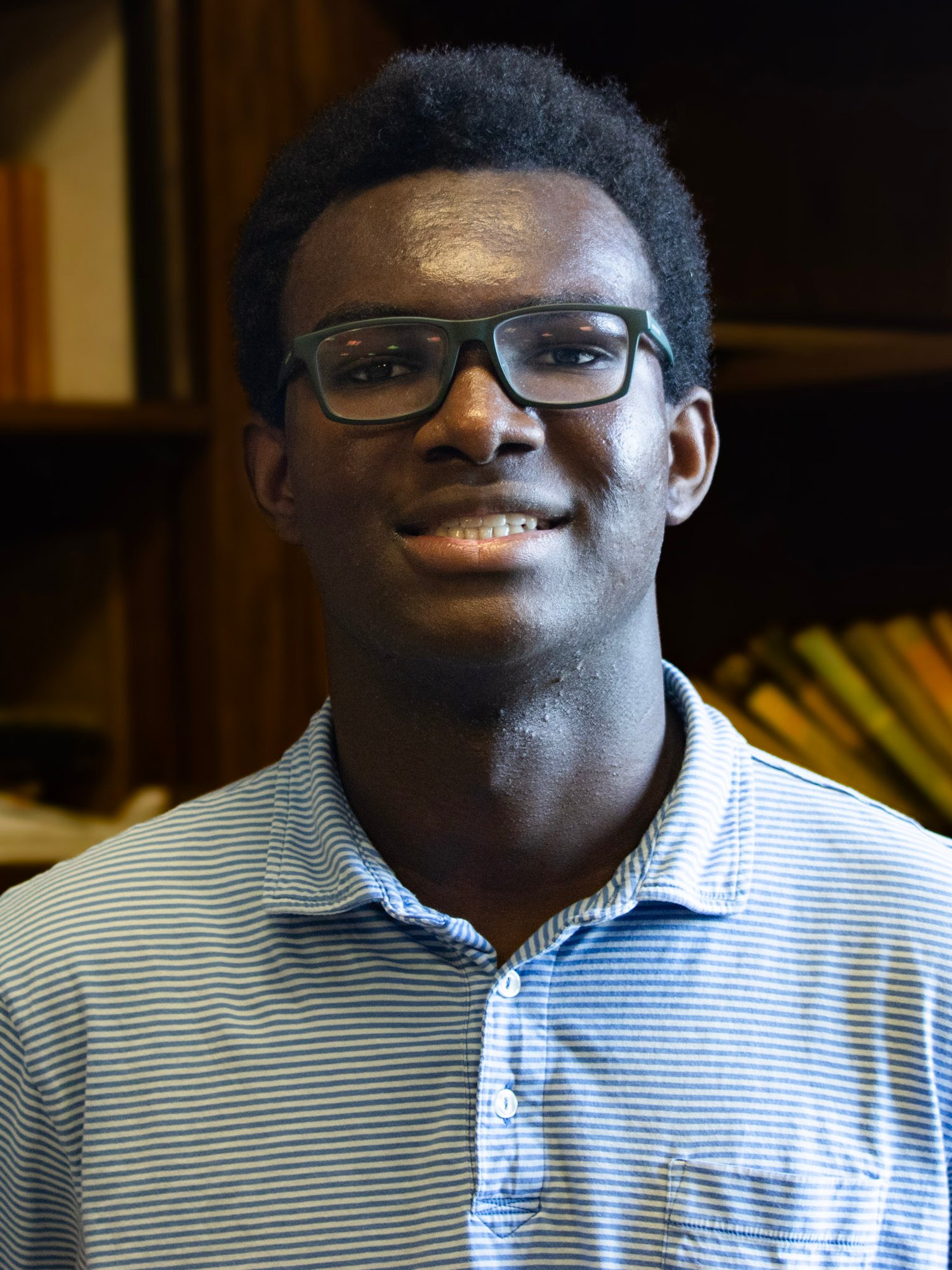
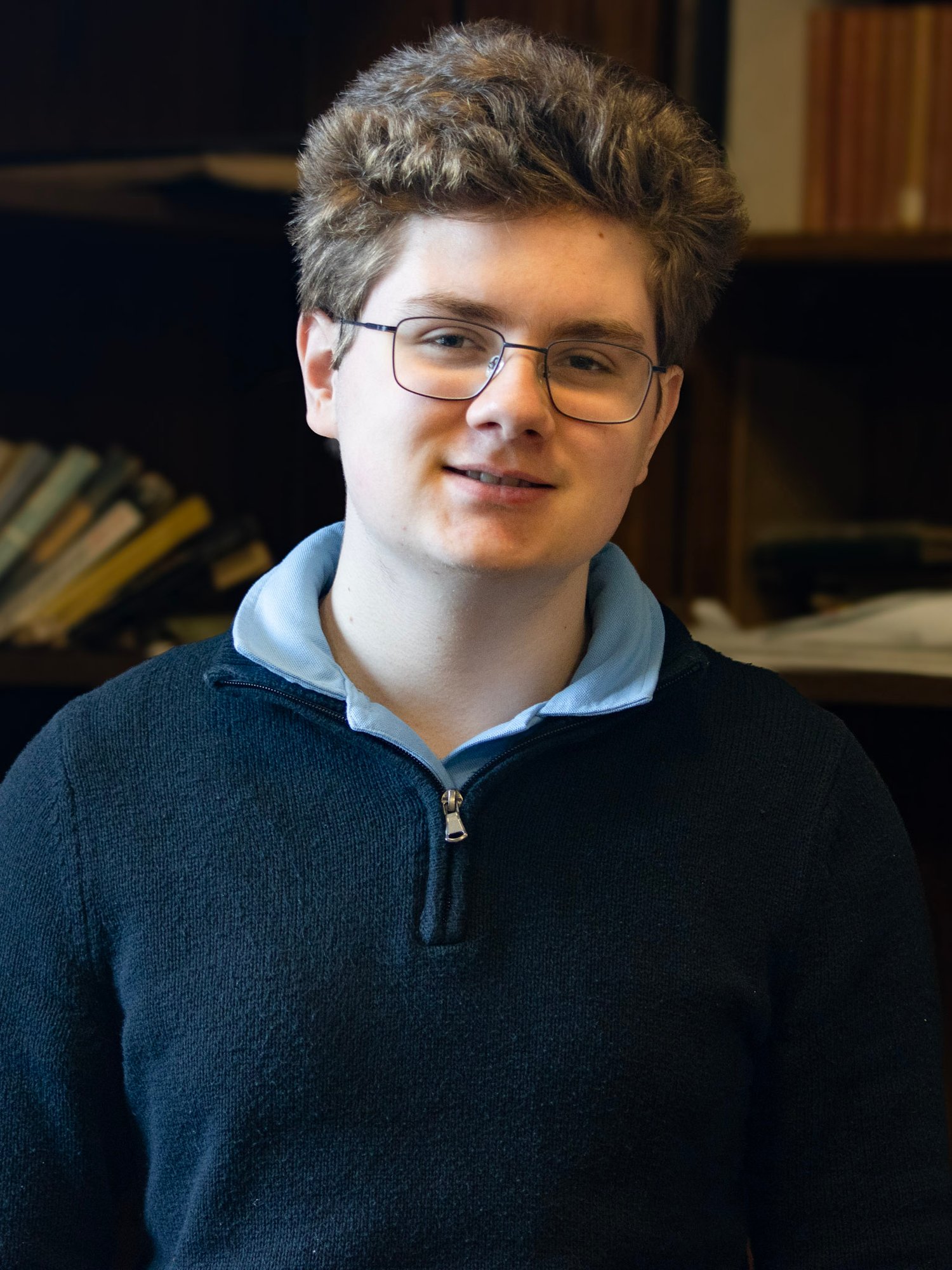
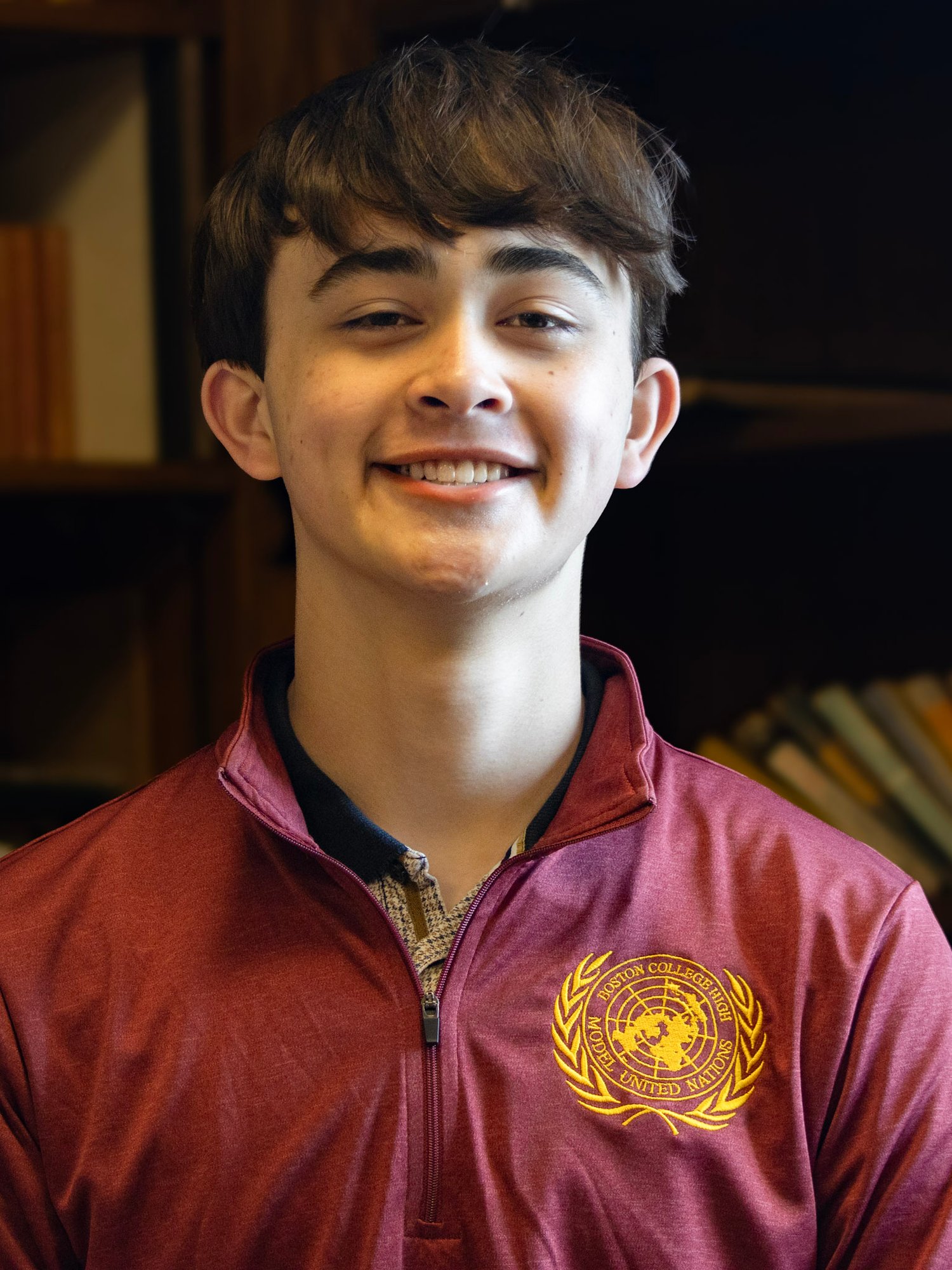
Meet the 2026 Officers

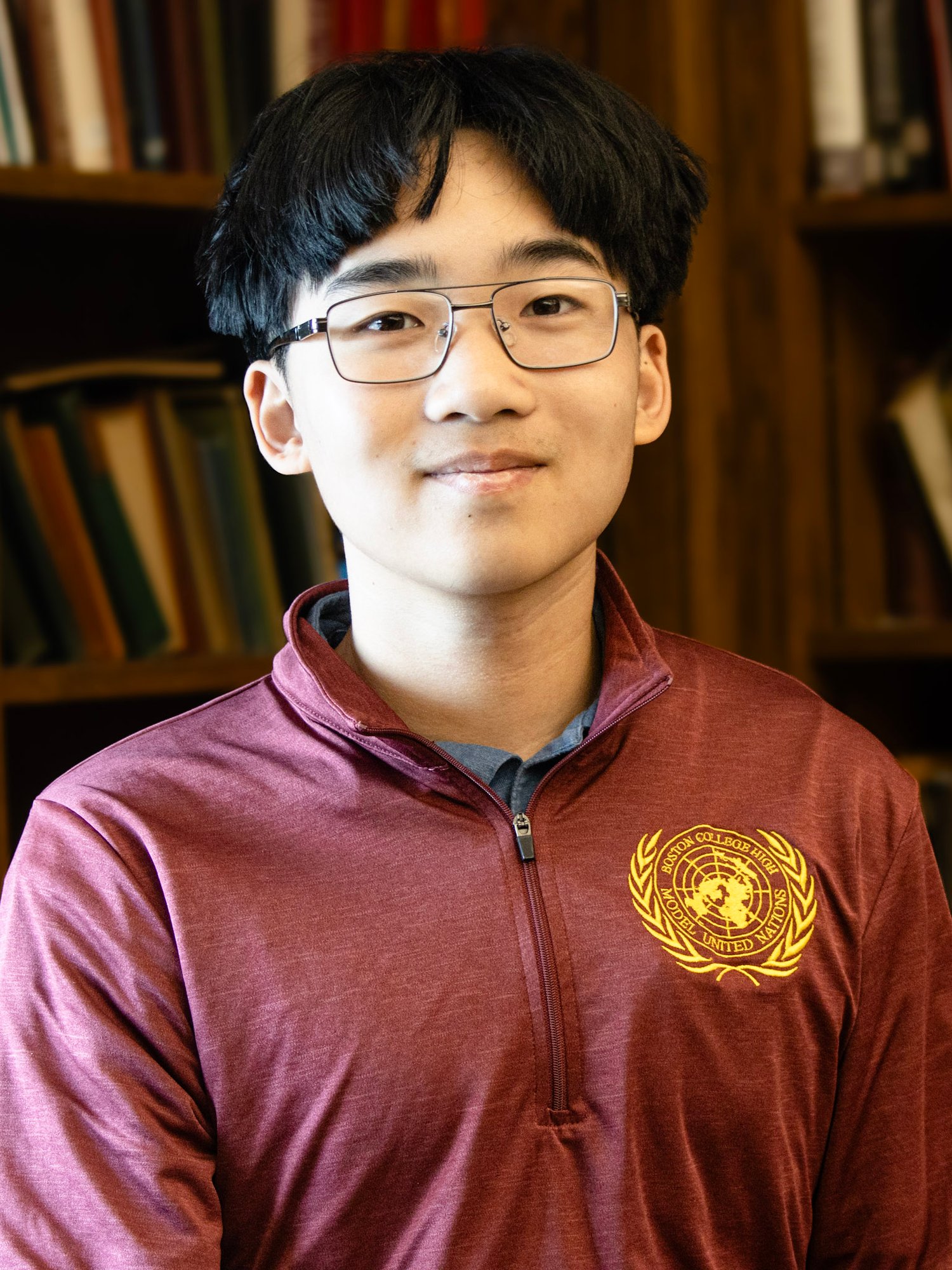
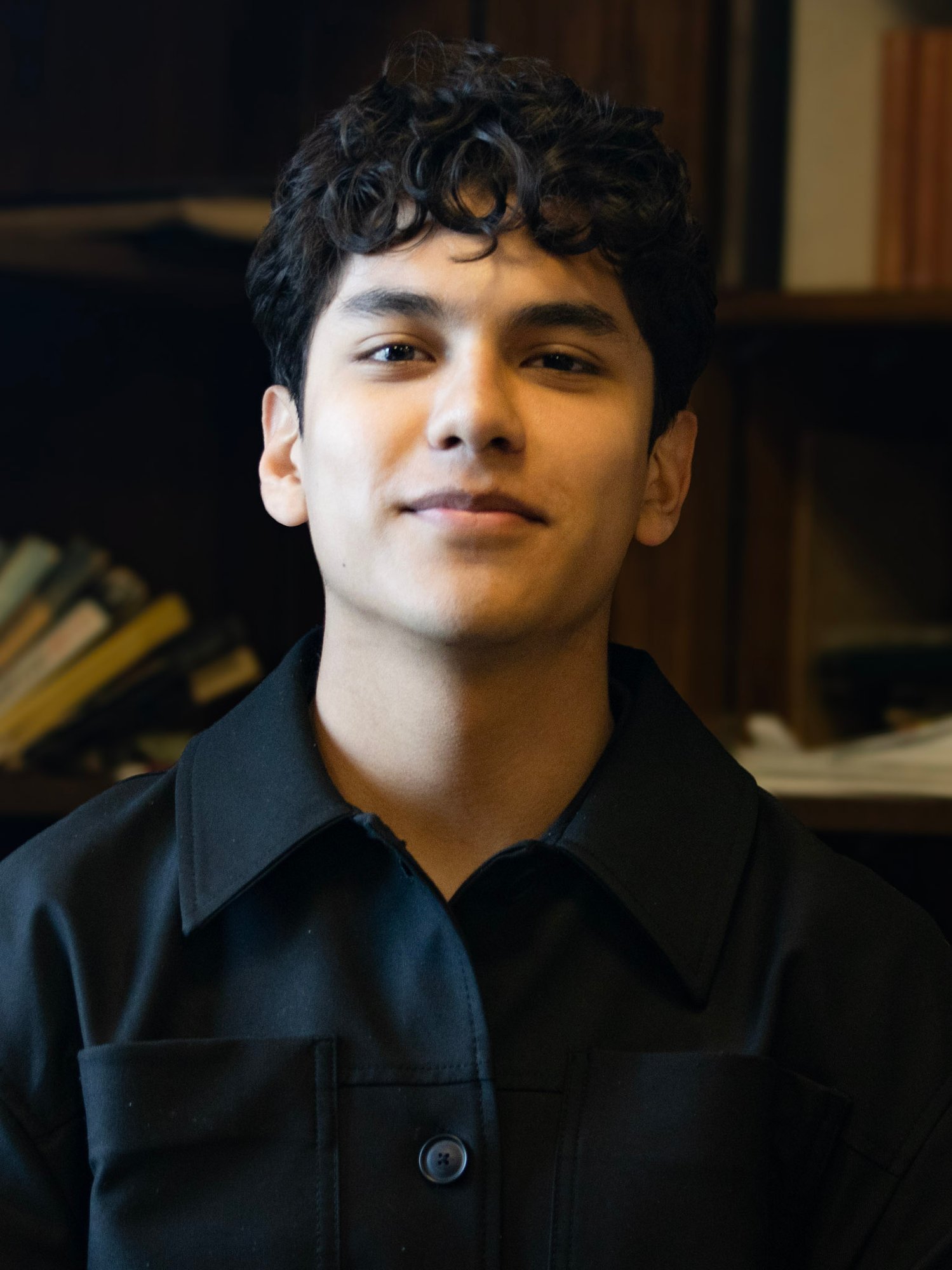
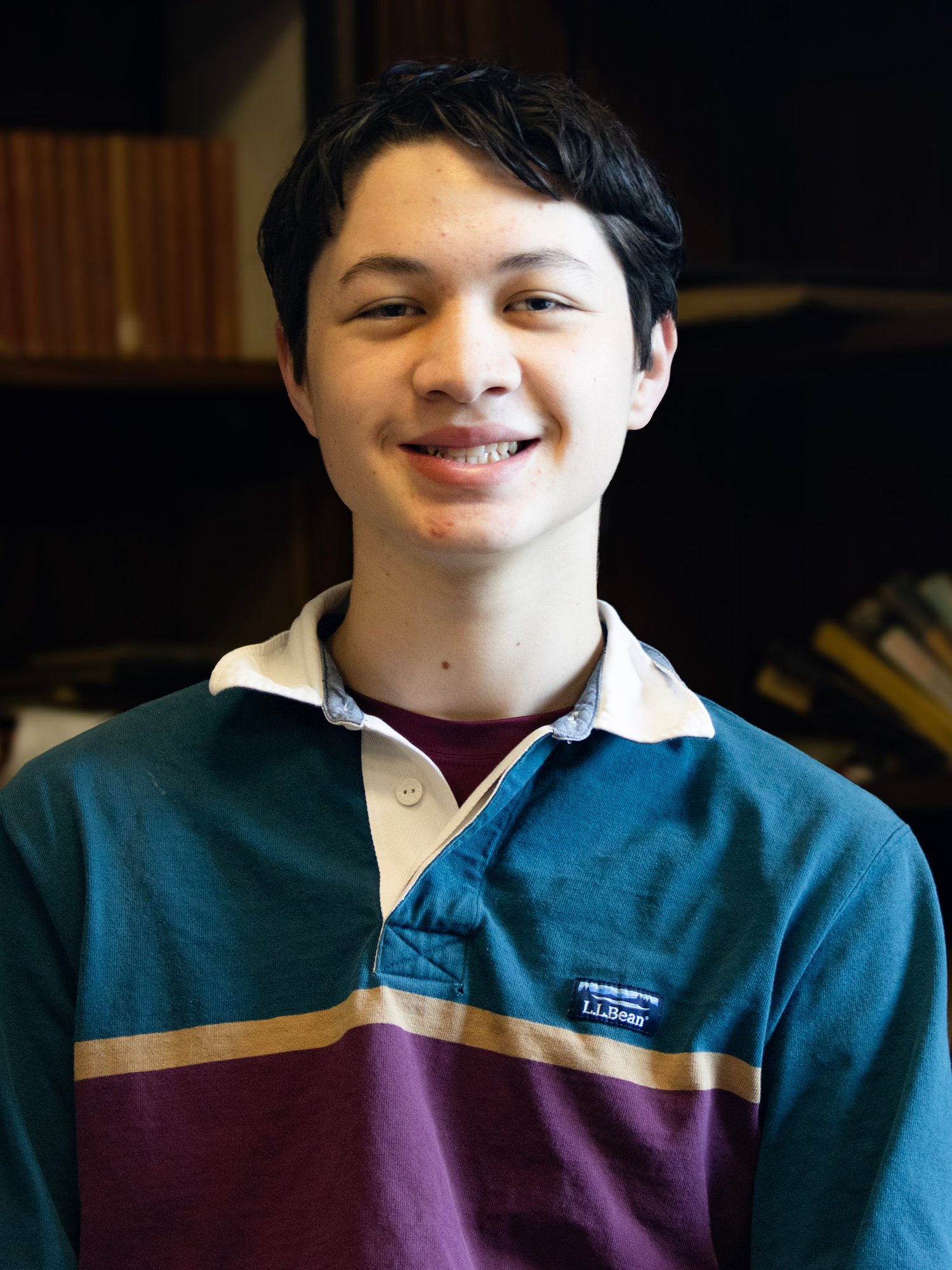
  • IMG_3540
    KinJia Wong '26 Secretary General
    • School Level:
    • Department:
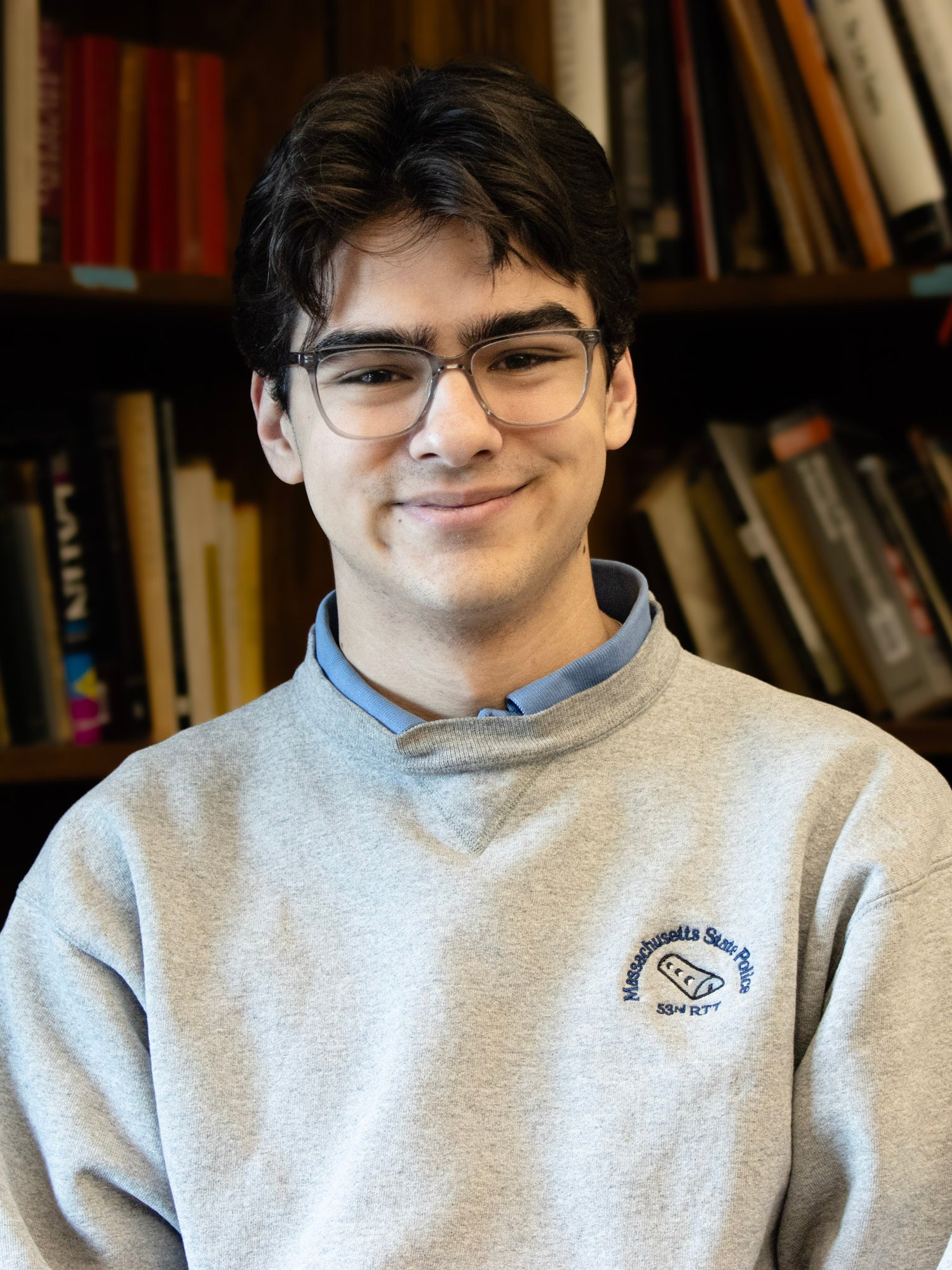
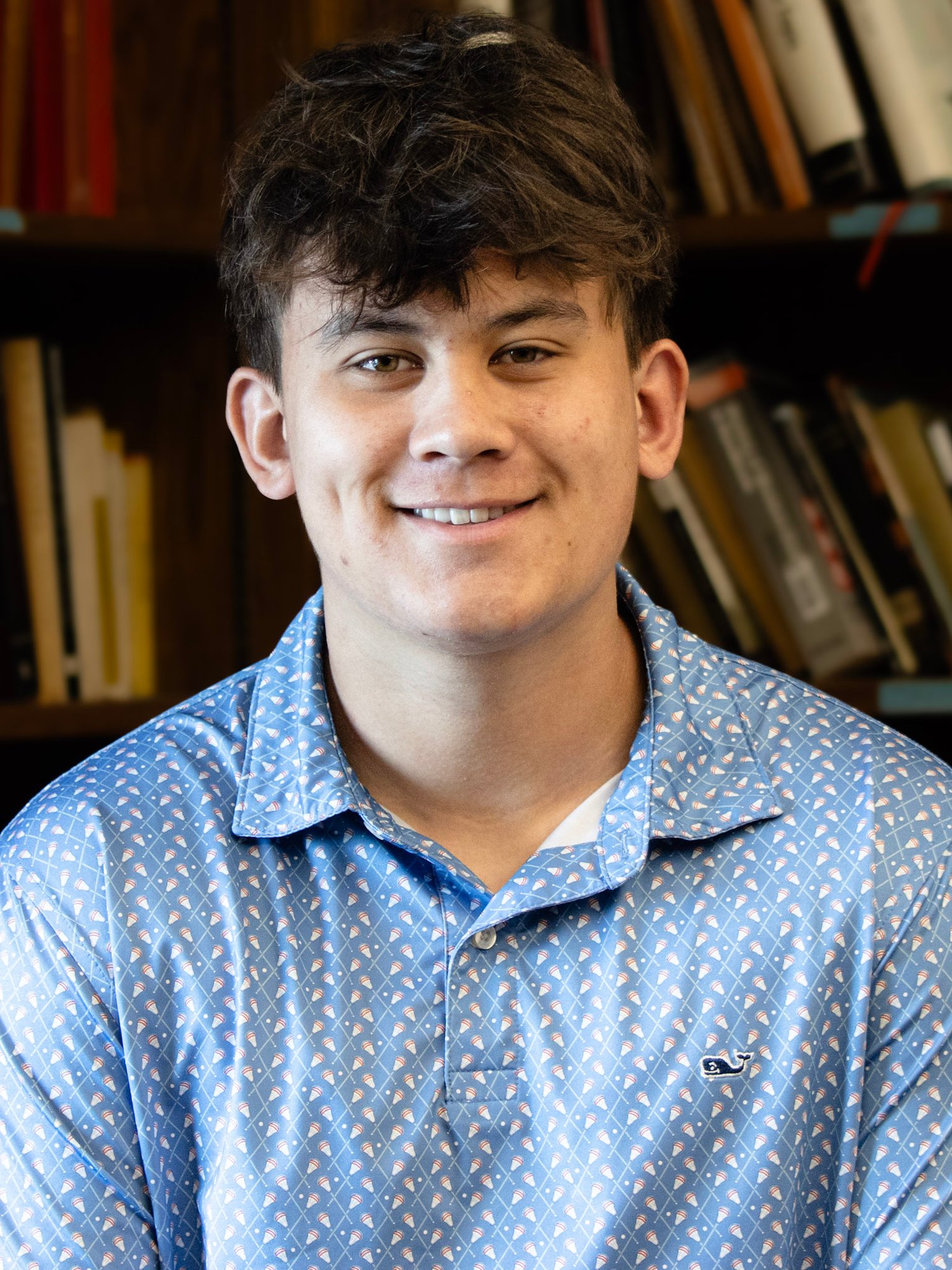
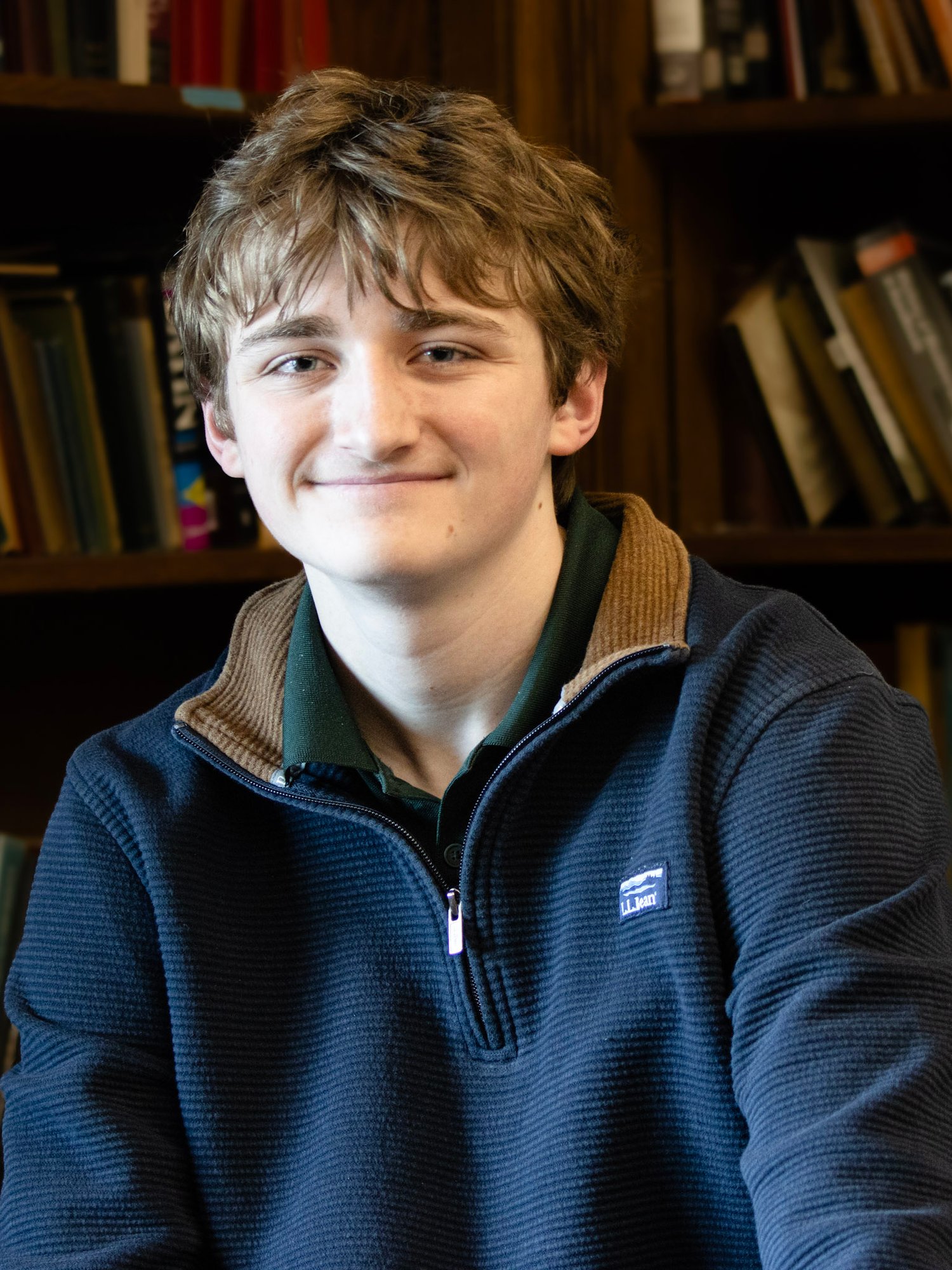
  • IMG_3518
    Patrick Reed '27 Deputy Secretary General
    • School Level:
    • Department:
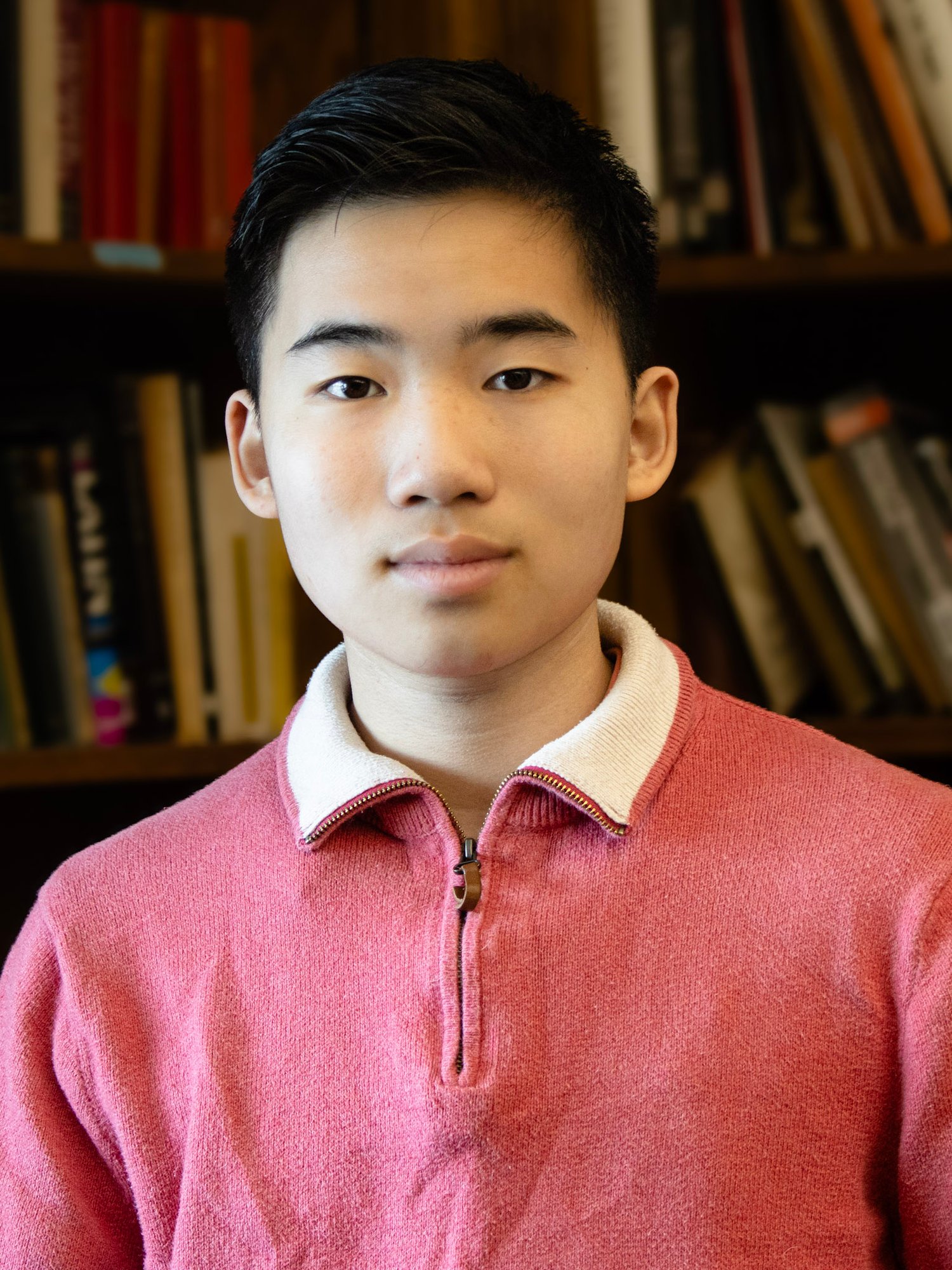
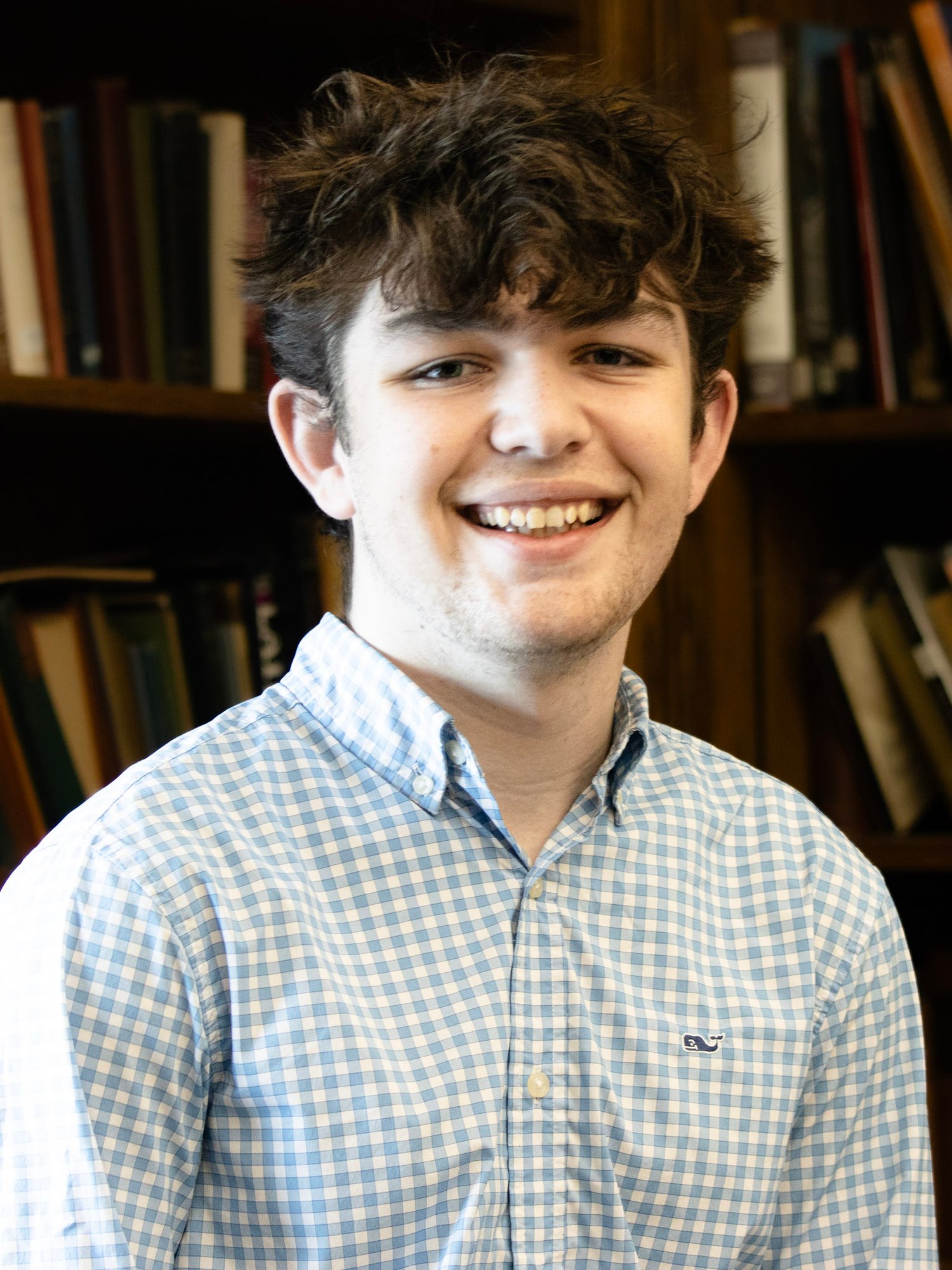
  • IMG_3555
    KinYuan Wong '26 Special Asst. to Arrupe Model UN
    • School Level: Under Secretary General
    • Department:
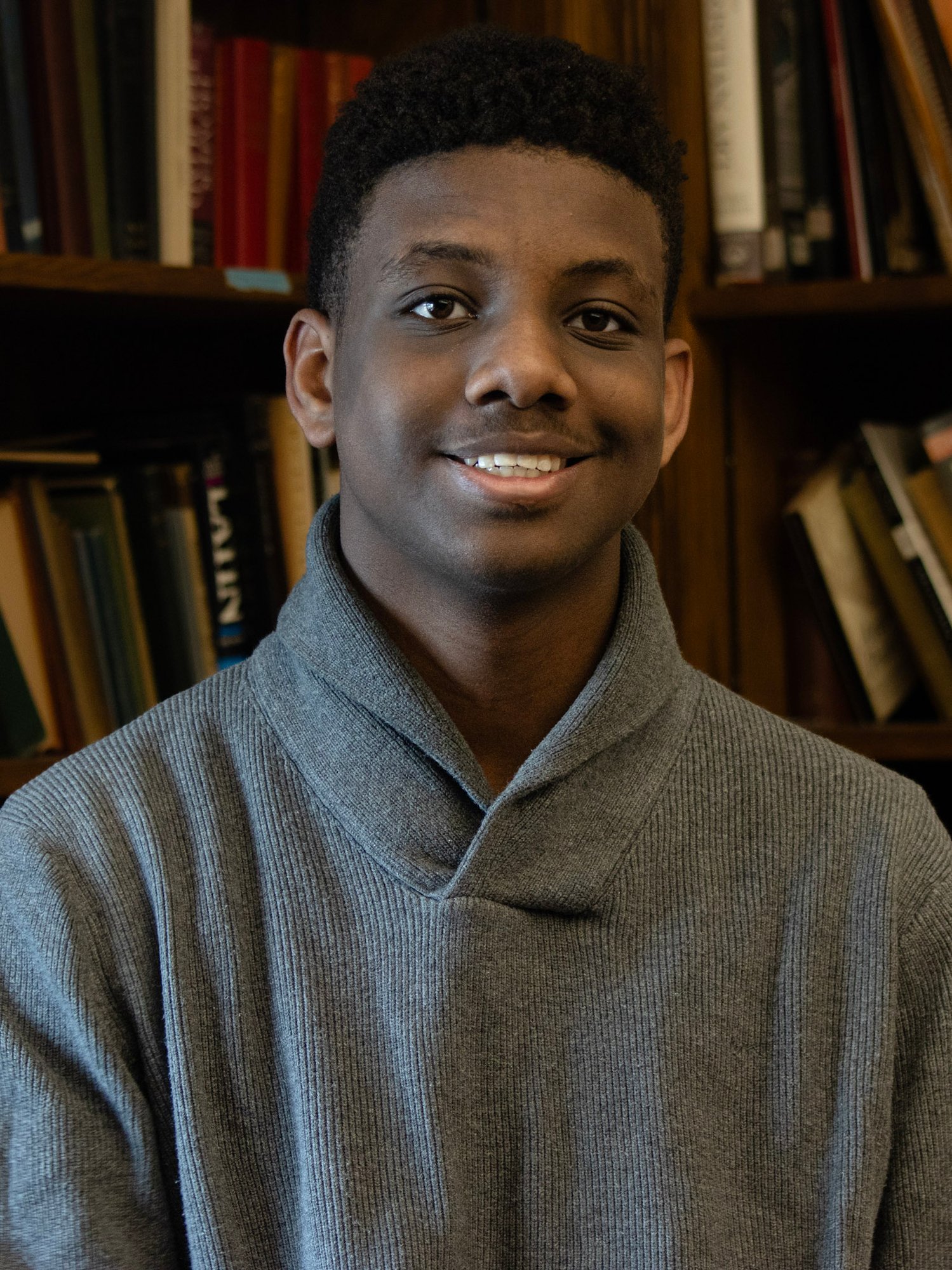
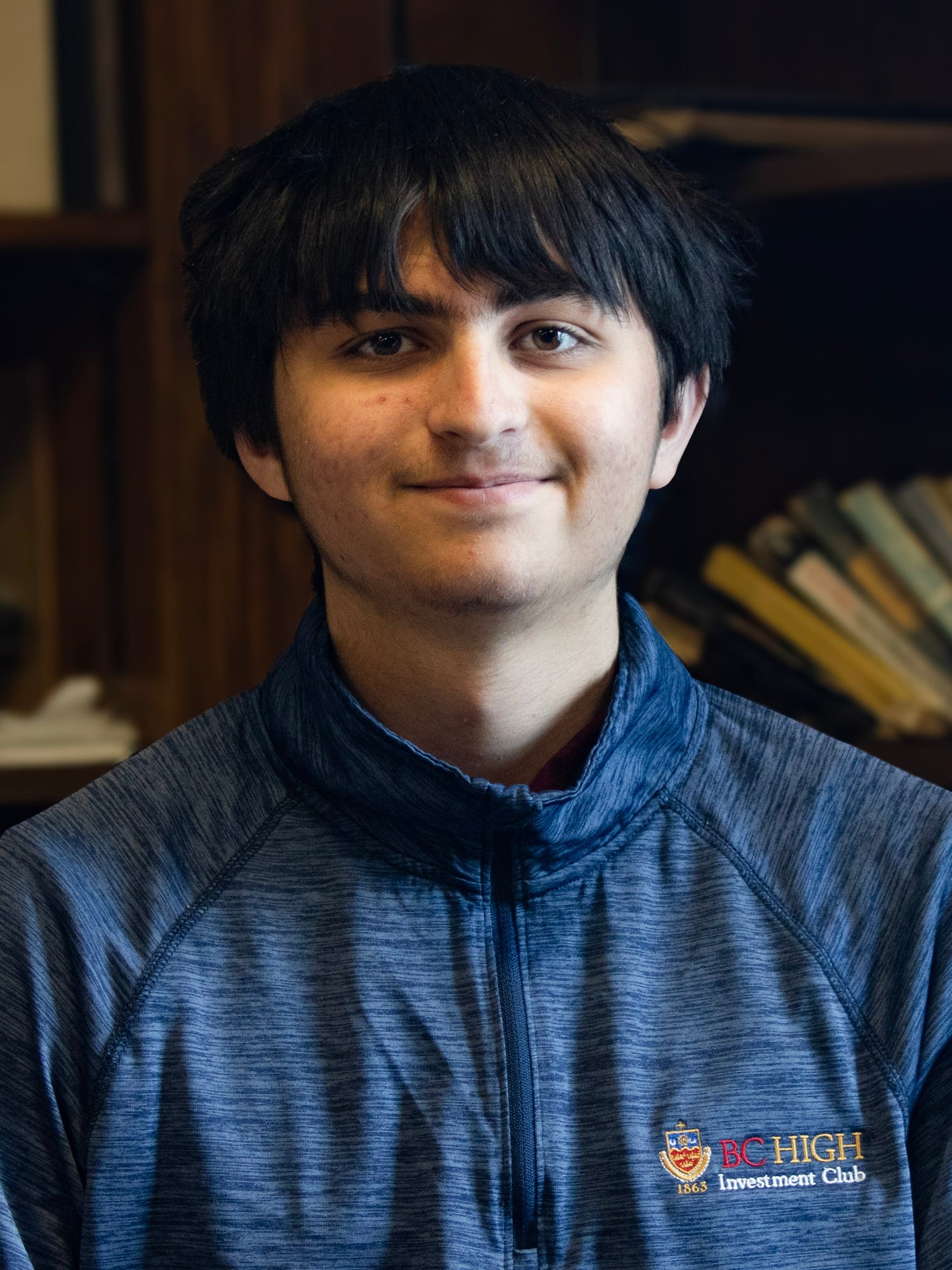
  • IMG_3548
    Junior Martins '27 Conference President
    • School Level:
    • Department:
  • IMG_3585
    Bruno Andrews Mundo '27 Charge D’Affaires
    • School Level:
    • Department:
  • IMG_3531
    Madoc Robinson '26 Chef du Cabinet
    • School Level:
    • Department:
  • IMG_3571
    Michael Roosevelt '26 Crisis Director
    • School Level:
    • Department:
  • IMG_3649
    Talin Patel '27 Parliamentarian
    • School Level:
    • Department:
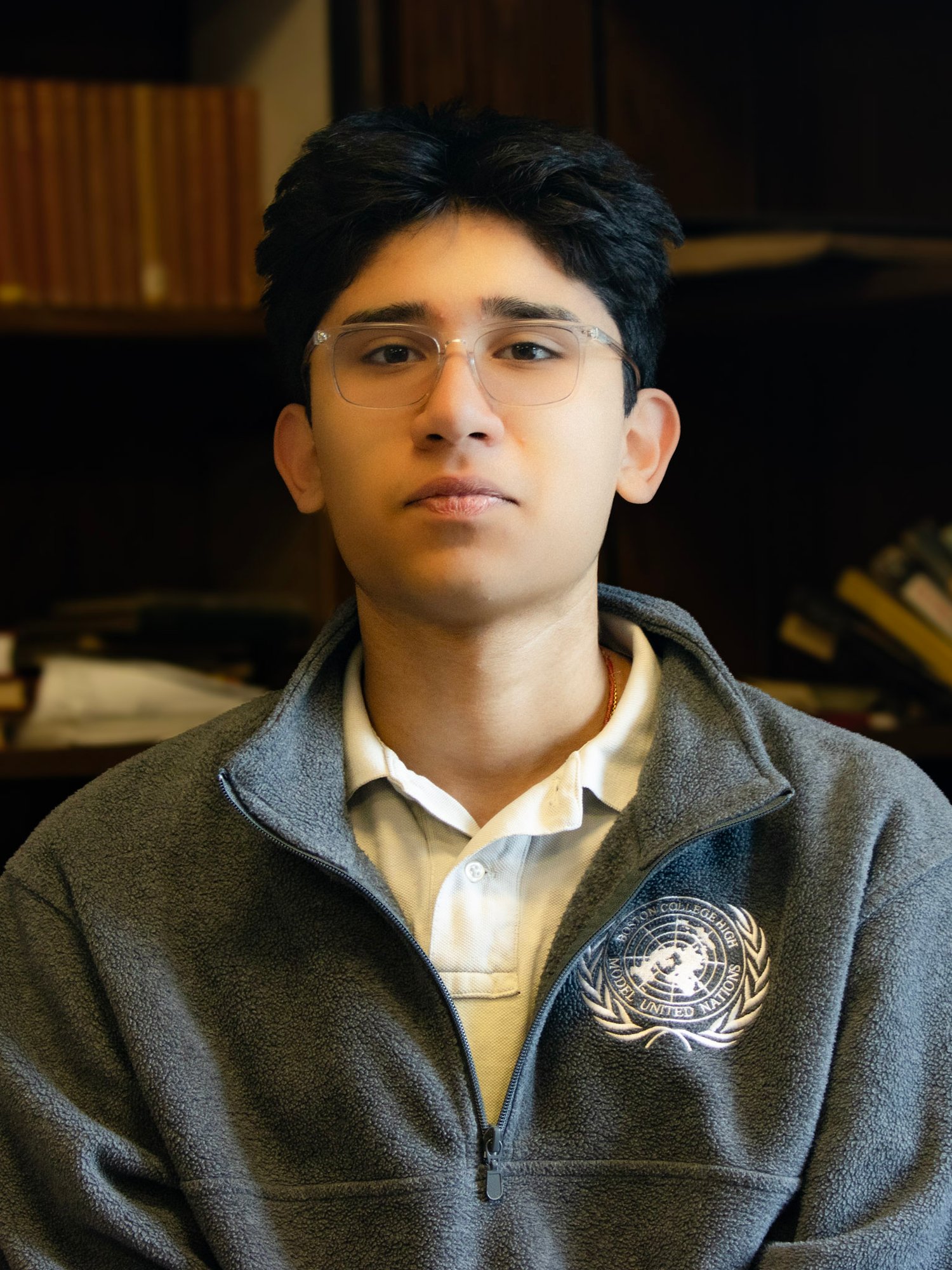
  • IMG_3493
    Miguelangel Alamo-Gotera '27 Director of Financial Affairs
    • School Level:
    • Department:
  • IMG_3637
    Evan Concanon '26 Rapporteur
    • School Level:
    • Department:
  • IMG_3508
    Tyler Boie '26 Deputy Crisis Director
    • School Level:
    • Department:
  • IMG_3578
    Hadriel Buabua '26 Deputy Director of Finance
    • School Level:
    • Department:
  • IMG_3539
    Sam Carpenter '28 Minstre des Délégués
    • School Level:
    • Department:
  • IMG_3507
    Elijah Lamousnery '26 Deputy Conference President
    • School Level:
    • Department:
  • IMG_4044
    Ned Kiely '27 Protocol Officer
    • School Level:
    • Department:
  • IMG_3579
    David Fleurme '26 Communications Director
    • School Level:
    • Department:
  • IMG_4167
    Scott Beouy '26 Assistant to the Ministre des Délégués
    • School Level:
    • Department:
  • IMG_3584
    Tyler Senat '26 Liaison Officer
    • School Level:
    • Department:
  • IMG_3598
    Jack Frutkin '26 Special Assistant to Arrupe Model UN
    • School Level:
    • Department:
  • IMG_3589
    Olivier Trevor '27 General Affairs Officer
    • School Level:
    • Department:
  • IMG_3634
    Benjamin Campolongo '26 General Affairs Officer
    • School Level:
    • Department:
  • IMG_3527
    Tate Lonsdale '26 Assistant Protocol Officer
    • School Level:
    • Department:
  • IMG_3616
    Darsh Manocha '28 Spécialiste en Formation des Délégués
    • School Level:
    • Department:
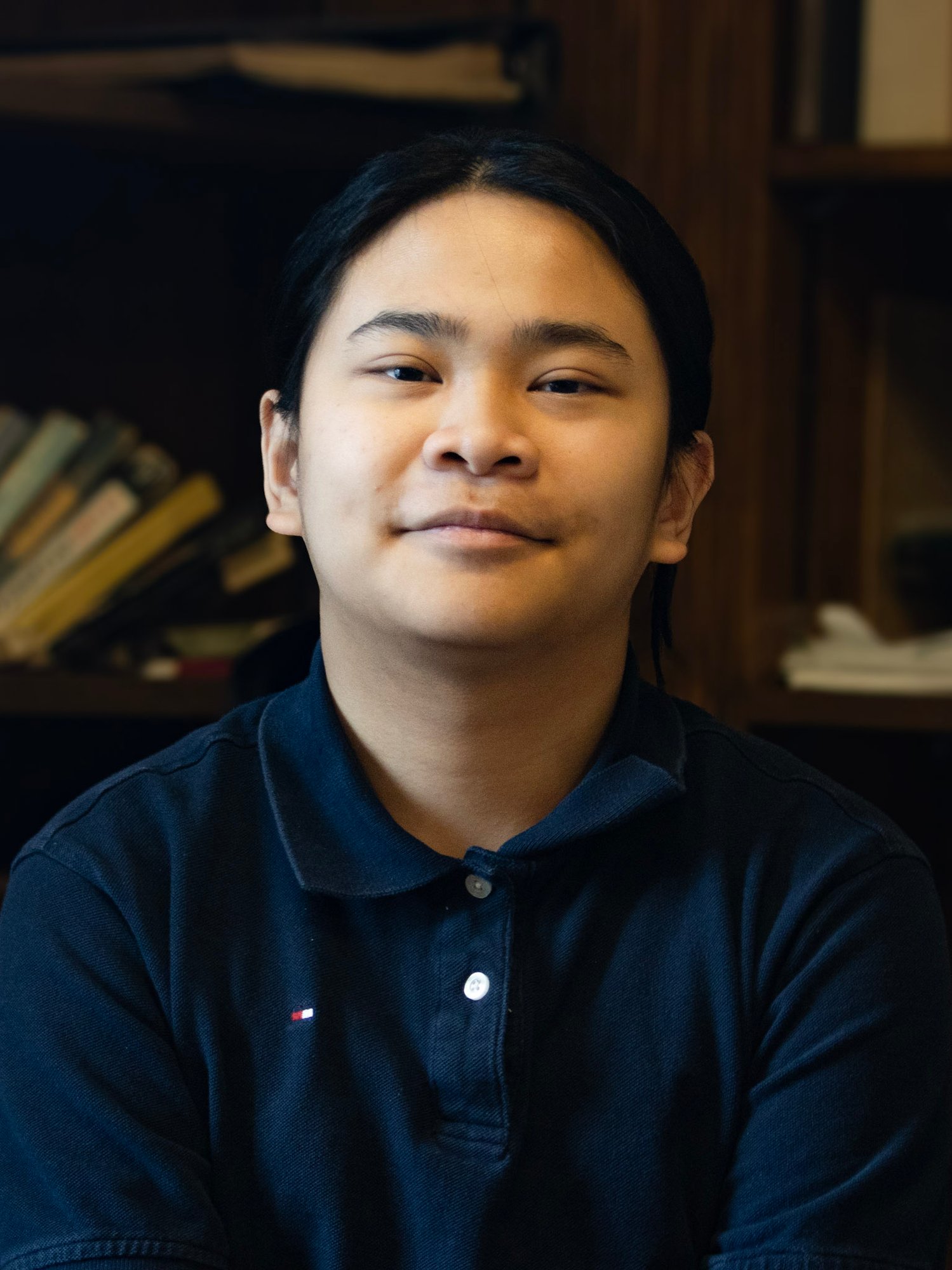
  • IMG_3654
    Derek Ly '28 Communications Assistant
    • School Level:
    • Department:
No results, sorry!
BC HIgh Model UN Conference

2026 Committees & Background Guides

Committee background guides posted on December 28, 2025

Conference Position Paper

Preparing a one to two page double spaced position paper is required for all delegates at the conference. We require this to focus everyone’s attention on the committee topics ahead of time. We have found that preparing these promotes more thoughtful discussion. Do not let this requirement impede your decision to attend this conference. We are only trying to make the discussion better.

Committee Levels

A = Advanced
I = Intermediate
B = Beginners
Middle School = Middle School specific


Dividing The New World: Role of Religion and its Role in the New World

Our modern understanding of the Treaty of Tordesillas is one of strife, a damaging choice made for natives across the ocean by the European powers. How would more native, religious, and colonial voices impact the Treaty of Tordesillas? These voices will work in tandem to ensure an equitable situation. The land of the New World must also be divided; If European powers win out, delegates must further delve into how Spanish and Portuguese territory will be spliced. Some must maintain native safety while also appeasing European powers if indigenous peoples prevail. Consider whether or not to support native culture and religion, or drown it out in favor of European faith. 

Questions to Consider:

  1. Will you choose fairness or power?
  2. Will you choose assimilation or diversity?
  3. Will religion be mandated across the New World, and if so, which? 

In this committee delegates will represent countries from all over the globe, each with varying codified laws surrounding LGBTQ+ identifying individuals. This committee is pertinent to the rights surrounding LGBTQ+ individuals’. and the general social treatment of LGBTQ+ individuals. We will discuss:

  • Marriage inequality
  • The legality of being queer
  • autonomy over gender identity
  • How the United Nations could more explicitly address and include LGBTQ+ rights in Human Rights dialogue.

Finally, this committee will discuss how nations can dismantle the effects of anti-LGBTQ legislation, and the engrained history of homophobia and transphobia permeating each respective society. 

Questions to Consider:

  • What is the role of the United Nations in addressing these issues, and how far does the power of the United Nations extend?
  • How does the United Nations achieve recognition of LGBTQ+ individuals and sustain their rights without infringing on another nation's sovereignty?
  • What role does religious, social, and cultural intersections have in the dignity of LGBTQ+ individuals?


The World Health Organization (WHO) is responsible for achieving high standards of health for all people and member states. Brain Drain poses a major threat to world health. Brain Drain or Human Capital Flight is the exodus of skilled trained citizens from an underdeveloped country to a developed one. Delegates will attempt to mitigate this phenomenon to ensure stable healthcare in developing countries.

Questions to Consider: 

  • What makes Brain Drain more likely to occur?
  • What incentives can be created to entice people to remain in their home country?
  • What are the benefits of emigrants pursuing education outside of their homeland?
  • What roles should developed nations play in repairing countries affected by Brain Drain  


DNC/RNC Committees: Battle for the soul of our nation:

The political landscape has changed rapidly. Voters are split on the role of federal power, the balance between economic growth and fiscal restraint, and how the United States should handle foreign affairs. At the same time, within the party, coalitions are shifting. Younger voters differ from older voters on issues such as, but not limited to technology, energy, and personal privacy. Where long-standing groups continue to dominate and shape debate. 

At the Democratic Nation Convention, delegates from across the United States will gather to shape the Party’s future and nominate a presidential candidate. Delegates will chart the Party’s path to victory using various policies, strategies, and relevant issues. The convention will feature the voices of possible presidential candidates. Ultimately, the party will emerge stronger with an agenda relevant to the needs of American people.

Questions to Consider:

  • Which factions within the party should influence the 2028 election strategy the most and why?
  • How can the party address economic concerns without ostracizing swing voters?
  • What positions on immigration, foreign policy, and social issues will keep the Democratic party competitive in the election?
  • Where can delegates realistically compromise without weakening the party’s message? 

DNC/RNC Committees: Battle for the soul of our nation:

The political landscape has changed rapidly. Voters are split on the role of federal power, the balance between economic growth and fiscal restraint, and how the United States should handle foreign affairs. At the same time, within the party, coalitions are shifting. Younger voters differ from older voters on issues such as, but not limited to technology, energy, and personal privacy. Where long-standing groups continue to dominate and shape debate. 

The Republican National Convention comes at a time when the Republican Party is in complete power and needs to reevaluate its core values for the next election cycle. The political landscape has changed rapidly. This Republican National Convention is more than just a formality. Delegates will be choosing a party nominee and setting the GOP’s agenda heading into the 2028 election. Whether the party will lean towards traditional conservatism, a populist approach, or a more moderate stance will depend on how delegates navigate these issues.

Questions to Consider:

  • Which factions within the party should influence the 2028 election strategy the most and why?
  • How can the party address economic concerns without ostracizing swing voters?
  • What positions on immigration, foreign policy, and social issues will keep the Republican party competitive in the election?
  • Where can delegates realistically compromise without weakening the party’s message? 

Digital Piracy poses a significant challenge for the international digital space as the rapid expansion of online platforms has outpaced the ability of governments to create consistent, effective, and fair regulatory frameworks. The ease of accessing and sharing copyrighted material has also led to major economic losses for creators and industries. While some nations employ strict penalties and surveillance-based enforcement, others simply lack the infrastructure or political will to address piracy effectively. The result is a fragmented global landscape on how to address the legality of digital piracy.

Questions to Consider:

  • What motives do companies, governments, and the public have towards using versus destroying digital piracy?
  • How should the international community balance the protection of intellectual property with public access, digital rights, and the reality of rising global piracy?
  • What practical, enforceable measures can nations adopt, to curb industrial-scale piracy without harming consumers or legitimate technological innovation?
  • Who should be held accountable in the digital piracy ecosystem? 

The Zero Point has arrived on Fortnite Island. Its immense power could be useful for those who wield its power. The Imagined Order (IO) wants to use the Zero Point to trap players in the endless loop of Battle Royale. However, citizens of Fortnite Island want to destroy the loop and free themselves using the Zero Point. 

Questions to Consider:  

  • Is there an alternate power source to the Zero Point?
  • What does a player trapped on Fortnite Island do to stop the endless loop of Battle Royale?
  • Is it possible to create an alternate reality to the IO?

The IBRD was established with the original mission of financing the reconstruction efforts of war-torn European nations following World War II, with goals shared by the later Marshall Plan. The Bank issued its inaugural loan of $250 million ($2.6 billion in 2 dollars) to France in 1947 to finance infrastructure projects. Following the reconstruction of Europe, the Bank's mandate expanded to advancing worldwide economic development and eradicating poverty. The IBRD provides commercial-grade or concessional financing to sovereign states to fund projects that seek to improve transportation and infrastructure, education, domestic policy, environmental consciousness, energy investments, healthcare, access to food and potable water, and access to improved sanitation. This committee will focus on the early years of the IBRD, with the primary goal of restarting economies in Europe after the end of World War II.

Questions to Consider:

  • Who pays for the restoration of war-torn Europe?
  • What is to be done with the vestiges of leadership in Nazi Germany? (IE: Should former Nazi’s be allowed to hold public office? To what extent should former Nazi public workers be allowed to hold office or places of decision making?) 
  • Should there be a “pecking order” to decide which countries receive financial and loan assistance first? (IE: Should the French get assistance first and Germans last?)

Immigration has become one of the main topics of British politics since Brexit. During and following COVID, the number of so-called "small boat" crossings has risen almost exponentially, as have other methods of entry. Since then, the far-right Reform UK party has dominated in the polls, promising to freeze immigration and stop immigrants entering the UK via the English Channel. The center-left Labour party currently has a majority in Parliament, but risks losing control in the next General Election if they fail to adequately address the immigration issue. The center-right Conservatives have moved toward Reform, leaving Labour even more exposed. 

Questions to Consider:

  • How will you address the immigration crisis while maintaining the stance of your party? 
  • How will you ensure the basic rights and safety of immigrants making the dangerous Channel crossings as they seek a better life in the UK?
  • How will you respond to the effects of immigration within your individual constituencies across the UK?

As global demand for higher education rises, the world faces a widening divide between those with access to quality universities and those without. This committee will examine the challenges created by funding disparities, visa barriers, political tensions, and the growing influence of elite global universities. Delegates will analyze the hidden factors that determine who receives educational opportunities, who can pursue them abroad, along with who remains excluded from the international knowledge economy. The task ahead is to consider policies that can shape a more equitable global higher education landscape—one where access becomes a universal pathway rather than a privilege reserved for few.

Questions to Consider:

  • How can nations expand access to higher education without creating long-term dependence on foreign universities or outside funding models? 
  • What strategies can governments use to retain skilled graduates and reduce brain drain?
  • How should countries regulate or collaborate with global university campuses to protect academic quality and national autonomy? 
  • What policies can improve student mobility—such as visas, scholarships, or credential recognition—while balancing security and national interest?


Climate Change has become a hallmark of both the industrial age and our modern world. In the past decade over 250 million people have been displaced due to natural disasters and climate change. However, the UN does not recognize the term “Climate Refugee”. In many countries displaced persons are refused refugee status if they are fleeing climate change and natural disasters. Many countries cannot accommodate the large  number of people fleeing to their borders. Climate Refugees. 

Questions to Consider:

  • Should one's status as a climate refugee be designated the same as a political refugee?
  • To what extent should the definitions be expanded for “refugee”, “climate refugee”, and “displaced persons” from climate-related disasters? 
  • How should nations address and aid incoming waves of climate migrants in the coming years?

he United States Constitution was a novel concept for its time because it could be amended and it extended rights to many more people. The process for amending the U.S. Constitution is laid out in Article V; it requires a ⅔  both chambers of Congress– House of Representatives and Senate– to approve constitutional changes, followed by ¾ of the states ratifying the amendment. This was intentional, as it ensured the U.S. Constitution could not suddenly change. These requirements have prevented any new amendments from being ratified.  The 27th Amendment was ratified in 1992. 

This committee will consider at least two amendments to the U.S. Constitution: 

  • Eliminating the Citizens United decision regarding campaign money and free speech on federal elections. 
  • Eliminating the practice of gerrymandering congressional districts. 
  • An amendment of your choice addressing the needs of the nation.

Questions to Consider:

  • Should a constitutional amendment be created to limit campaign contributions on the federal level?
  • Should independent commissions be required to establish congressional district maps?
  • Should any existing amendments be modified or eliminated?

The UN Water Committee.  Access to water and sanitation is a human right. A well managed water cycle underpins progress across the 2030 Agenda for Sustainable Development, particularly in relation to hunger, gender equity, health, education, livelihoods, sustainability and ecosystems. Water is also at the heart of adaptation to climate change, serving as the crucial link between the climate system, human society and the environment. Without proper water governance, there is likely to be increased competition for water between sectors and an escalation of water crises of various kinds, triggering emergencies in a range of water-dependent sectors. 

Questions to Consider: 

  • Should access to potable water be a human right?
  • Should the United Nations tighten governance of water resources and water systems across the globe?
  • Will there be an emerging black market for clean water distribution between the developed and less developed world?

As India gains its independence from the British, a violent partition occurs. In this committee, we’ll dive into the events of the 1947 partition of India and the bloody conflict that ensued, discussing how to ease tensions and best restore peace in the nations.

Questions to Consider:

  • Should an independent state of Pakistan be created?
  • Should India be in full control of its western (Pakistani) and eastern borders (Bangladeshi)?
  • Should the British government be held accountable monetarily for the unrest its withdrawal has caused?

The UN Committee on the Peaceful Uses of Outer Space (COPUOS) is a part of the United Nations General Assembly. It focuses on overseeing international law and affairs; including outer space regulations. 

This committee will focus on deorbiting the ISS (International Space Station) in the year 2031, and the consequences of having private companies and individual countries taking over the spatial landscape. Delegates will consider the position of having multi-millionaire private companies and independent nations controlling the space traffic and the effects this will have on the release of relevant space research. It will consider the famous Kessler Syndrome and more potential collisions in outer space caused by disengaged weather  satellites, defense satellites, and the ISS.

Questions to Consider:

  • Who should govern outer space and the orbit of the earth?
  • Who will pay for disposal of space debris, considering Kessler’s Syndrome?
  • Should there be an international commission to regulate the private space sector?
AD HOC committee members receive no background guide. The committee's purpose is to handle crises presented in an unscripted manner. Knowledge of Model UN protocol is necessary and a broader understanding of world events is expected.

It is more common than recognized that migrant children are separated from their families and communities during war, natural disasters, immigration, and other unforeseen circumstances.  Family tracing should be the first priority while intercountry adoption should only be envisaged for a child once these tracing efforts have proved fruitless, and stable in-country solutions are not available. 

Questions to Consider:

  • How can delegates work to mitigate the financial burdens of families affected by war, natural disasters, and immigration?
  • Should delegates consider the emotional toll placed upon migrant families to provide professional support?
  • Can an international policy work among countries of varying socioeconomic climates?
BC HIgh Model UN Conference

Awards

Ben Maher was a two-time BC High Model UN Secretary General. He continued his Model UN work in college at Georgetown University. He had and continues to have now, a great love of writing including his work as a journalist with incredible interviews with the Occupy Wall Street protestors in Washington, DC. It is why we named this award after Ben.

A one to two page position paper is required for all participating delegates at the conference. We require this to focus everyone’s attention on the committee topics ahead of time. We have found that preparing these promotes more thoughtful discussion. Do not let this requirement impede your decision to attend this conference. We are only trying to make the discussion better.

Delegates have two choices:

1. Submit the paper one week early to be considered for the Benjamin Maher ’11 Best Paper Award, on February 27, 2026 by emailing the paper to the appropriate BC High Committee Chair. These papers must be properly cited using the MLA format.

OR

2. Bring a hard copy with them to the conference on March 1, 2026. The Committee Chair is happy to help you with the paper. His school email address can be found on the cover page of the background guide.
We thank Catholic Memorial High School and Mr. Vin Bradley for creating the idea for this award.

We name this award after Chris Gidopoulos ’95. Chris was an amazing, award winning Model UN delegate. He continued Model UN at Harvard University. When he passed away unexpectedly in 2013, BC High Model UN decided to name the People’s Choice Award in Chris’ honor.

Given in committee. Austin was a BC High Secretary General who wrote our club’s constitution. He was known as Mr. Model UN. He is currently a global stock analyst who works in the international business world.

IMG_8004
BC High Model UN Stanford University.
IMG_8011
BC High Model UN Stanford University. 
BC High Model Un conference

History

Founded in 1986, the BC High Model United Nations Club gives students the experience of diplomacy and learning about international issues. The BC High Model United Nations Club engages in an authentic simulation of the United Nations system by learning about the UN system, the skills of debate, compromise, conflict resolution and negotiation. MUN team members have fun learning about the workings of world diplomacy through the lens of current events.

Currently our club has 250 members. Students participation choose their participation levels. There are weekly Wednesday meetings, weekend conferences, or overnight conferences. Some students attend everything while others participate when they are able.

BC High is proud to participate in conferences around the United States. We are also grateful to have hosted some remarkable speakers over the last several years.

Listed are a sample of the exciting opportunities our students have been a part of and wonderful speakers we've hosted:

  • St. John’s High School – Shrewsbury Model UN (October)
  • Stanford University Model UN–Palo Alto, CA (November)
  • College of William and Mary, Williamsburg, VA (November)
  • Vanderbilt University Model UN
  • Catholic Memorial High School Model UN (November)
  • New York City Visit to the United Nations—tour and interview of a mission rep
  • St. John’s Prep— Danvers Model UN (December)
  • Seekonk High School (January)
  • Yale University Model UN (January)
  • North American Invitational Model UN at Georgetown University
  • University of Chicago Model UN
  • Duke University
  • University of Georgia
  • Sandwich High Model UN (April)
  • Diego Aria
    President of the UN Security Council
  • Quanuquanei Karmue
    Executive Director & Co-Founder at Save More Kids
  • Hon. A. Paul Celluci
    US Ambassador to Canada and former Massachusetts Governor
  • Rick Walsh ’02 Special Assistant to the Undersecretary of State
    US State Department
  • Dermott Groome
    Chief Prosecutor, The Hague, Netherlands
  • Congressman Michael Capuano
    (D-MA)
  • John Bird
    CIA Analyst Cuban Missile Crisis
  • Sheryl & Matt
    Boston Homeless Shelter
  • Jared Owen
    Massachusetts Recovery Center for Addiction
  • Gregory LoGerfo ’91
    US State Department – Acting Principal Deputy Coordinator Bureau of Counter Terrorism
  • Linda Thomas Greenfield
    United States Ambassador to the United Nations 
  • John Foley
    FBI Agent and lead investigator for the Boston Marathon Bombings 
  • Delphia Bizzell and Andrew Maier
    Representatives from Massachusetts Housing & Shelter Alliance (MHSA) 

Registration

*Registration for BC High Model UN XXXIV is now open. Please contact Dr. Nick Argento, argento@bchigh.edu if you are interested. 

If you elected to make a deposit instead of paying your full balance, please make your final payment by February 7, 2026.